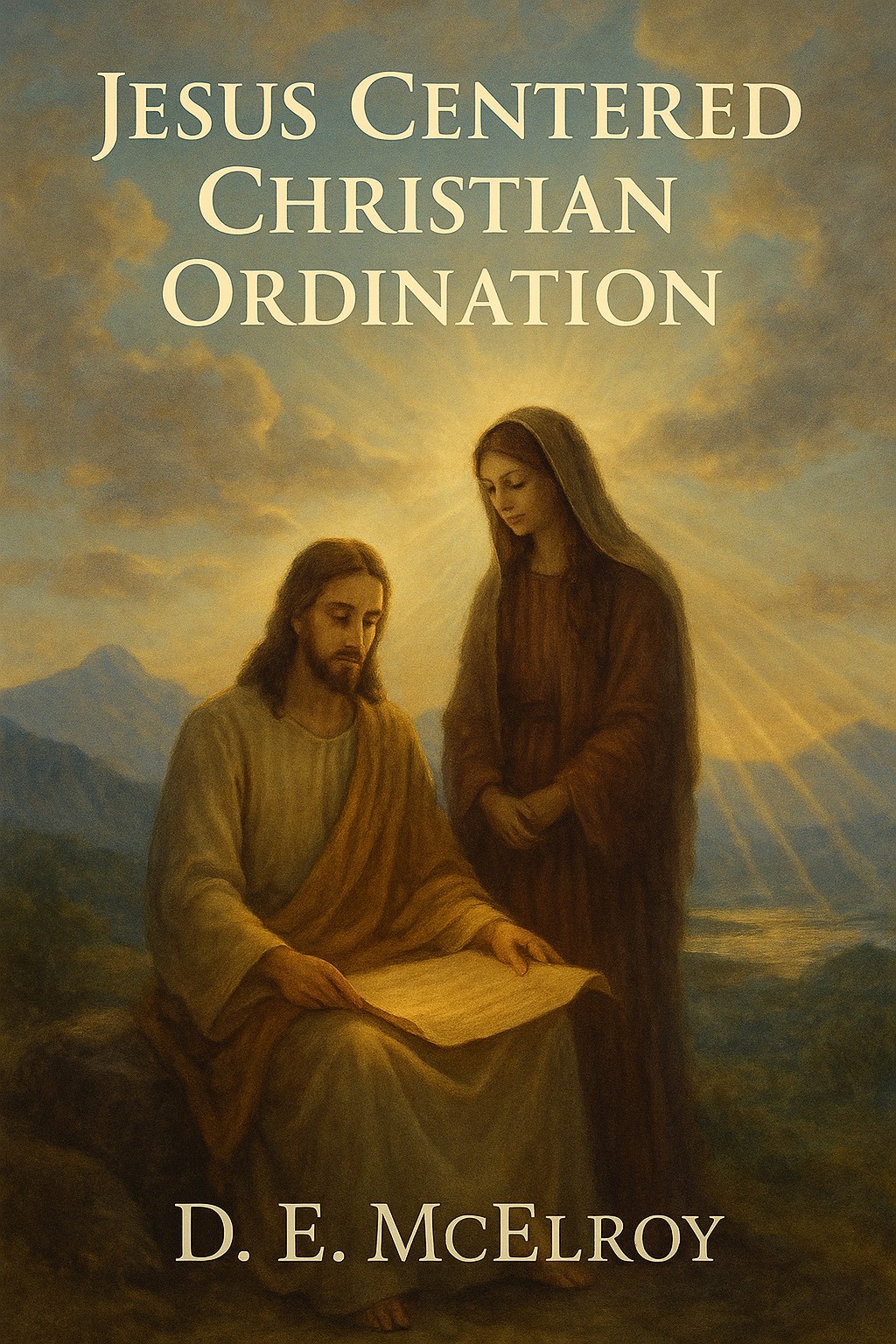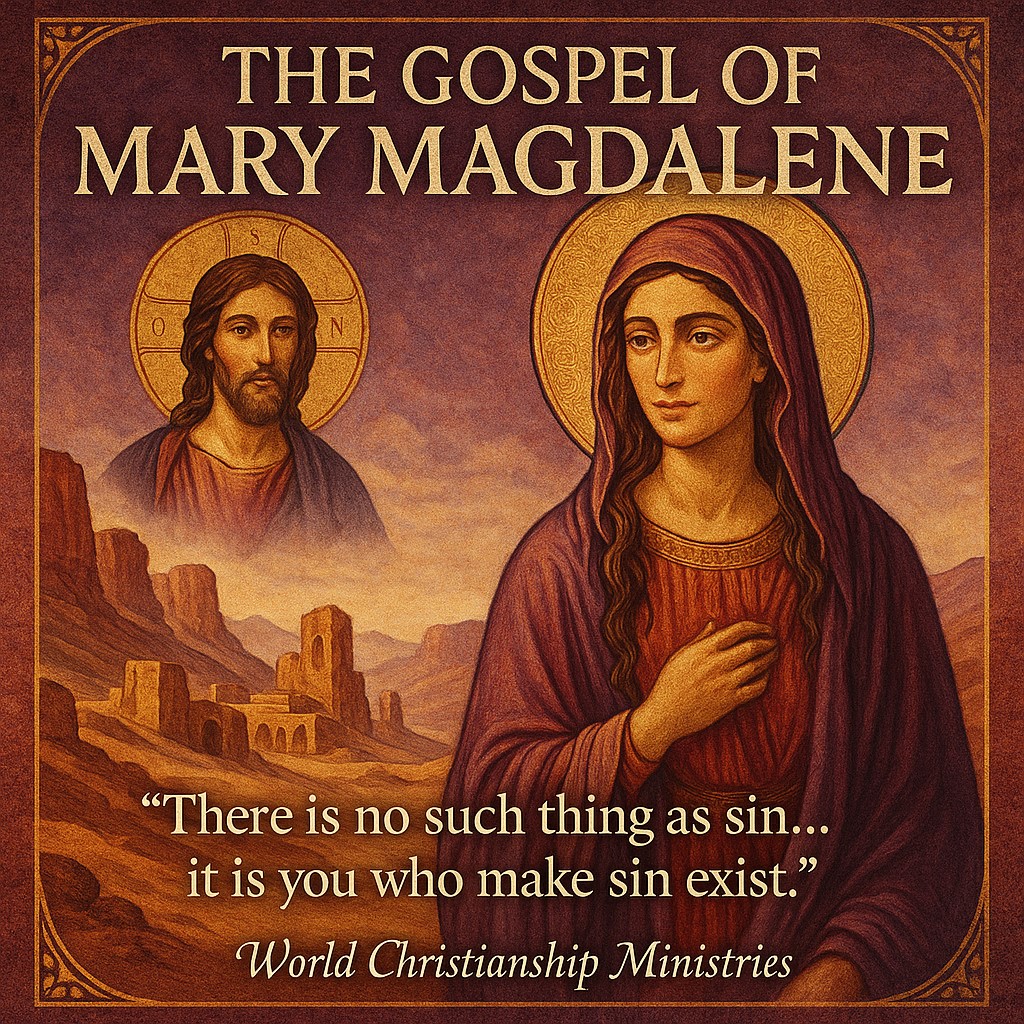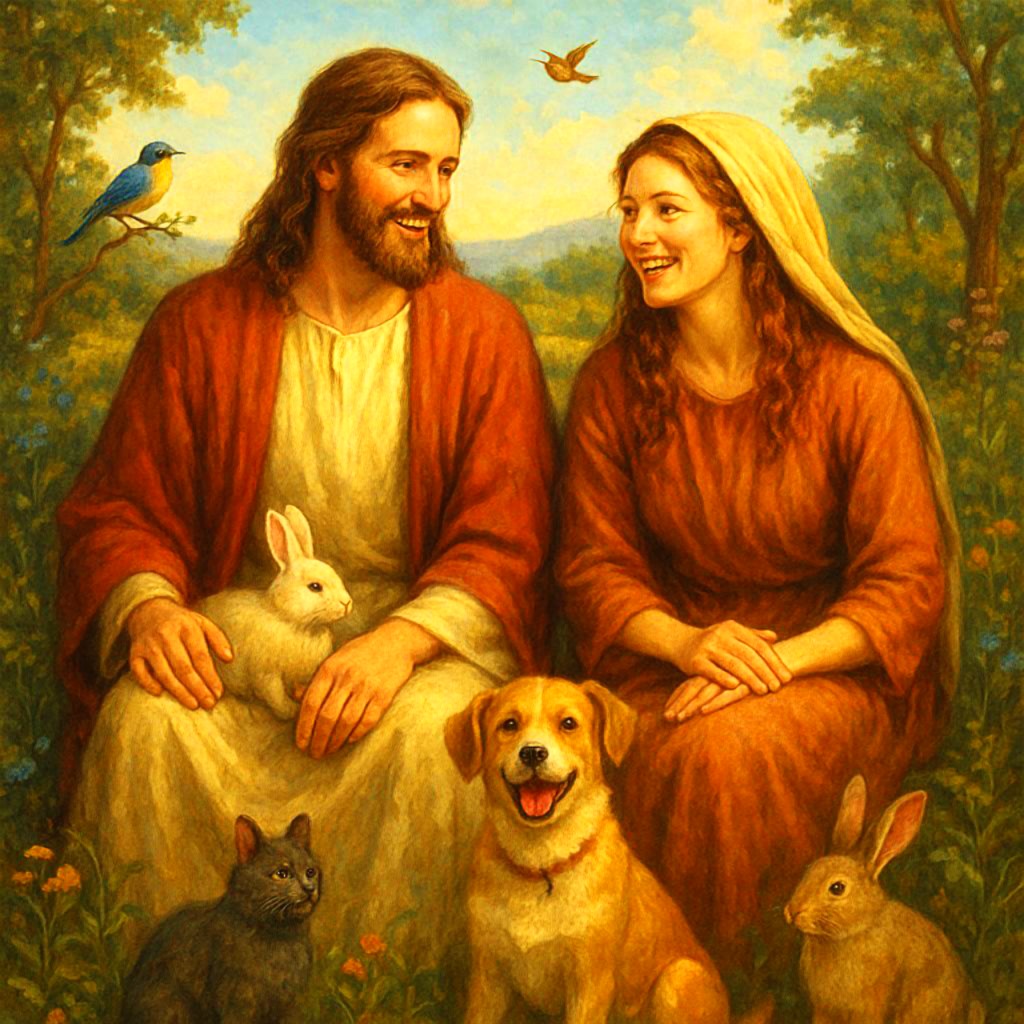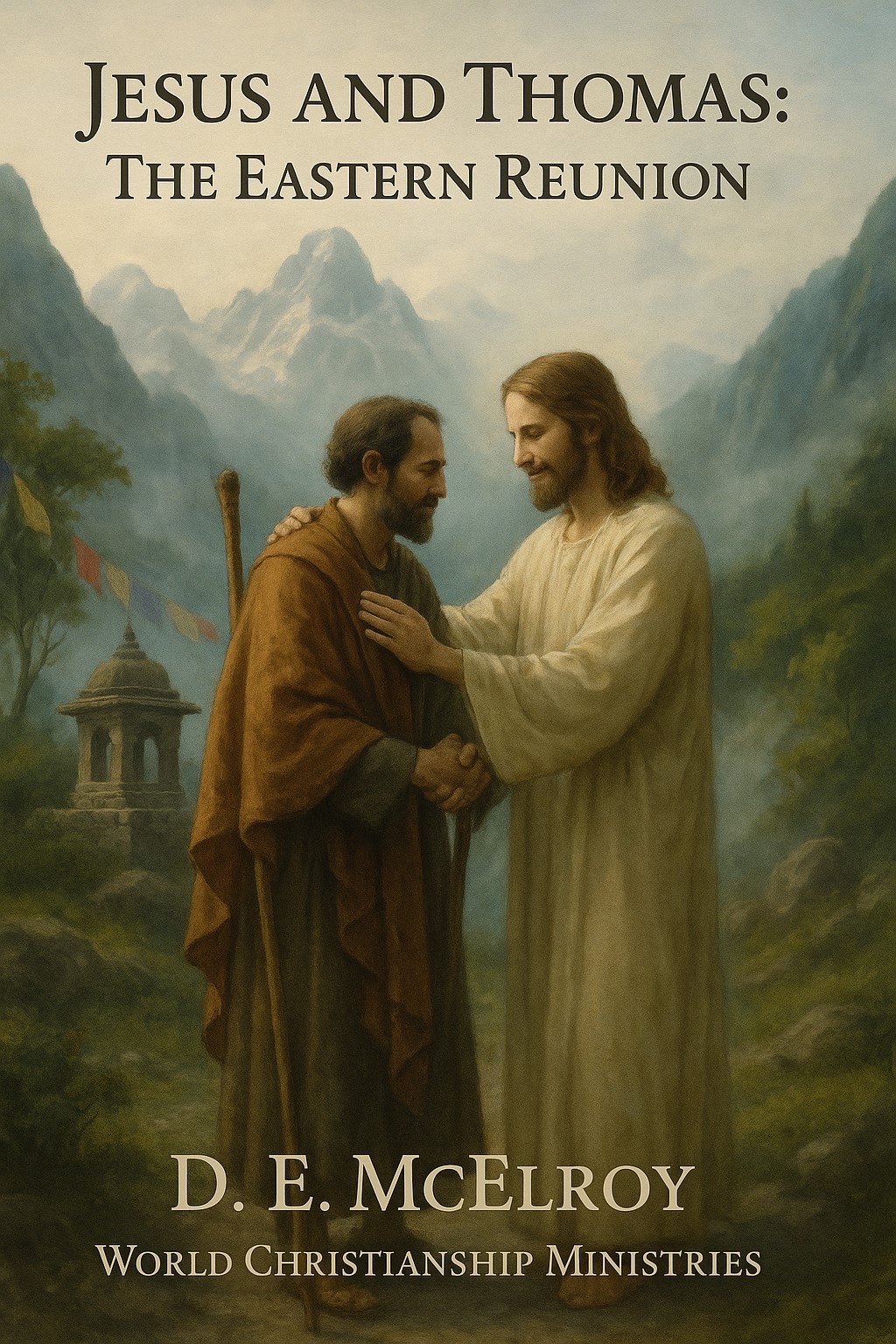
Like all of us, Jesus
and Mary Magdalene had
happy times also!
|
** Anything Can
Happen Page - Free Mini Books and More **
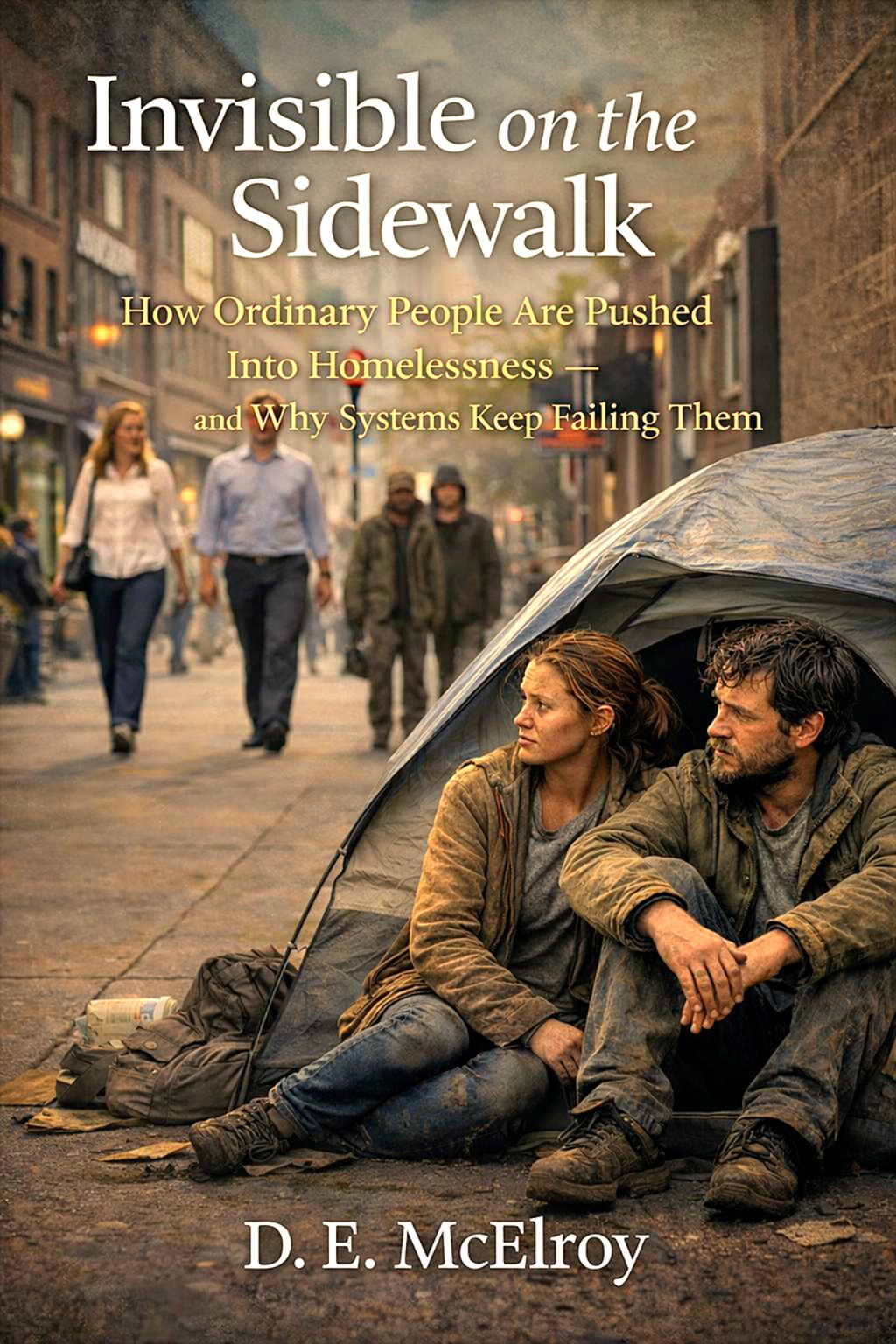
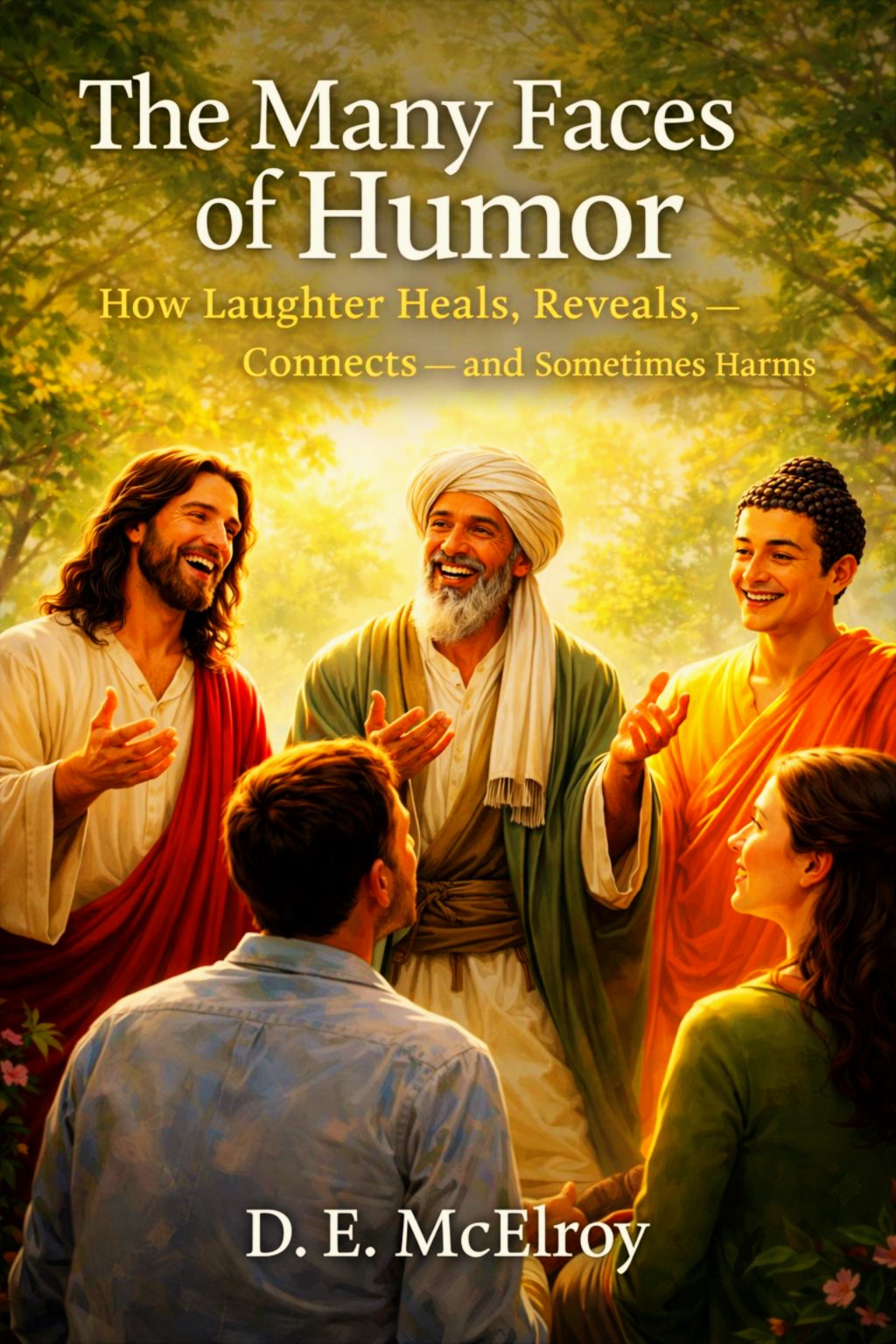
Click on images to open the book.
|

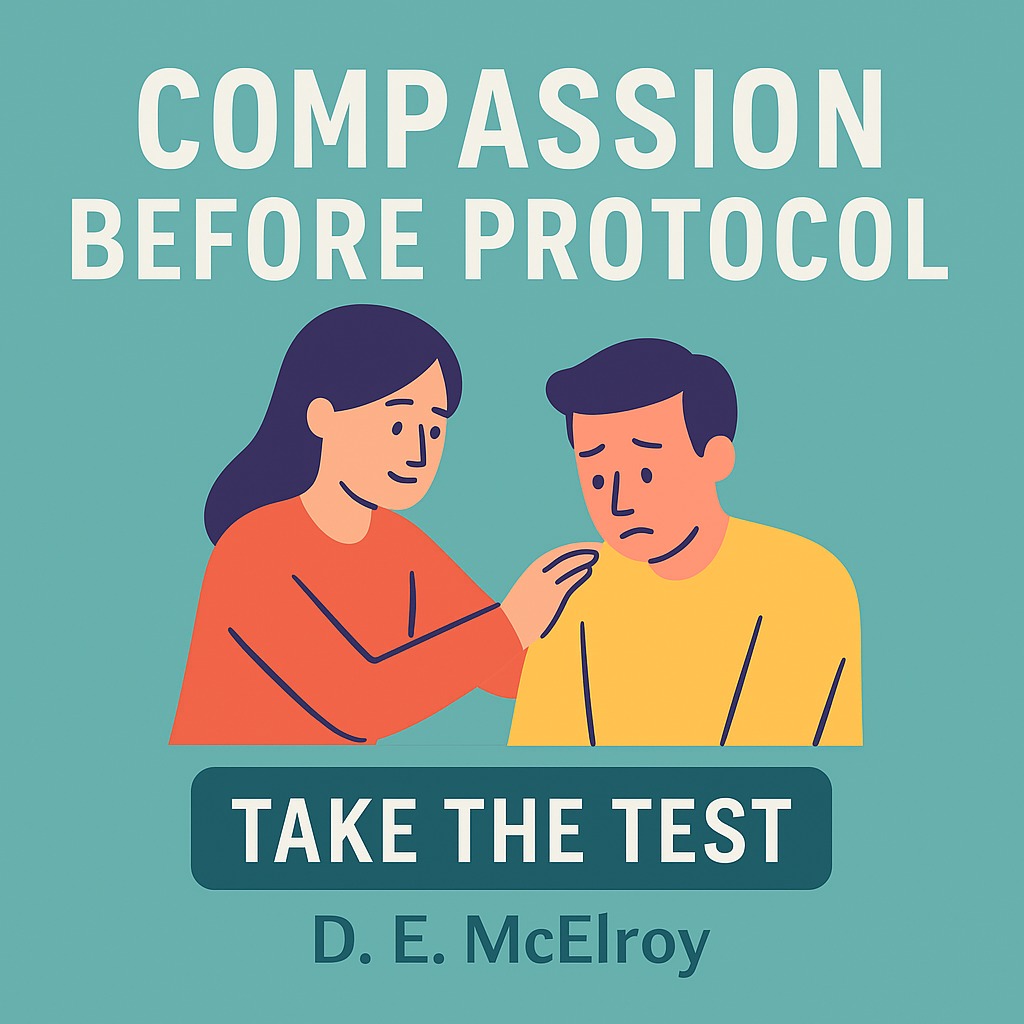
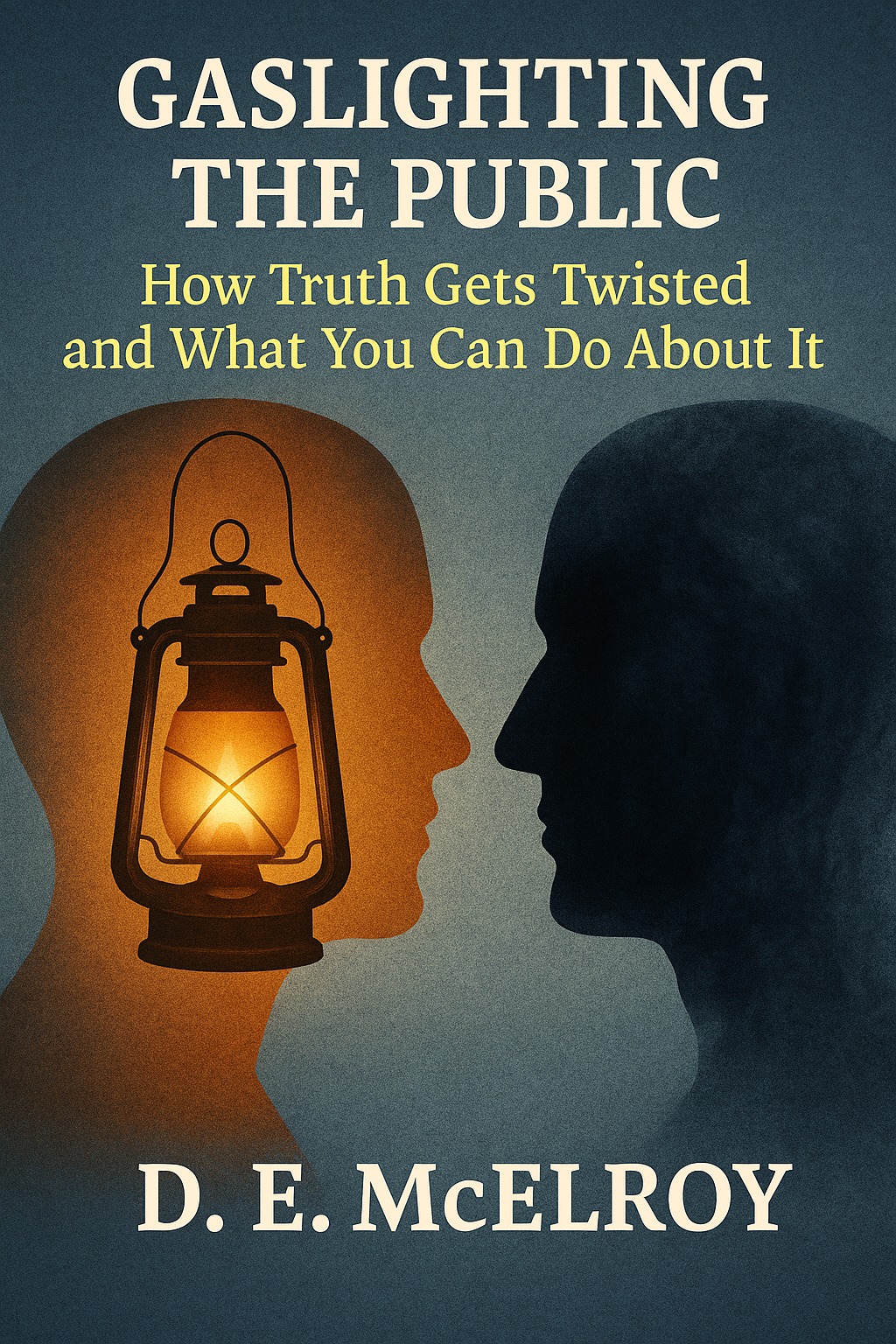
Gaslighting means making someone doubt their
own perception of reality. It’s when
evidence is denied, memories are rewritten,
or simple truths are made to seem uncertain.
It doesn’t always come with shouting or
accusation. Sometimes it arrives as a calm,
confident voice saying, “You’re mistaken,”
even when you know you aren’t. This Mini
Book discusses all levels of Gaslighting the
Public.
|

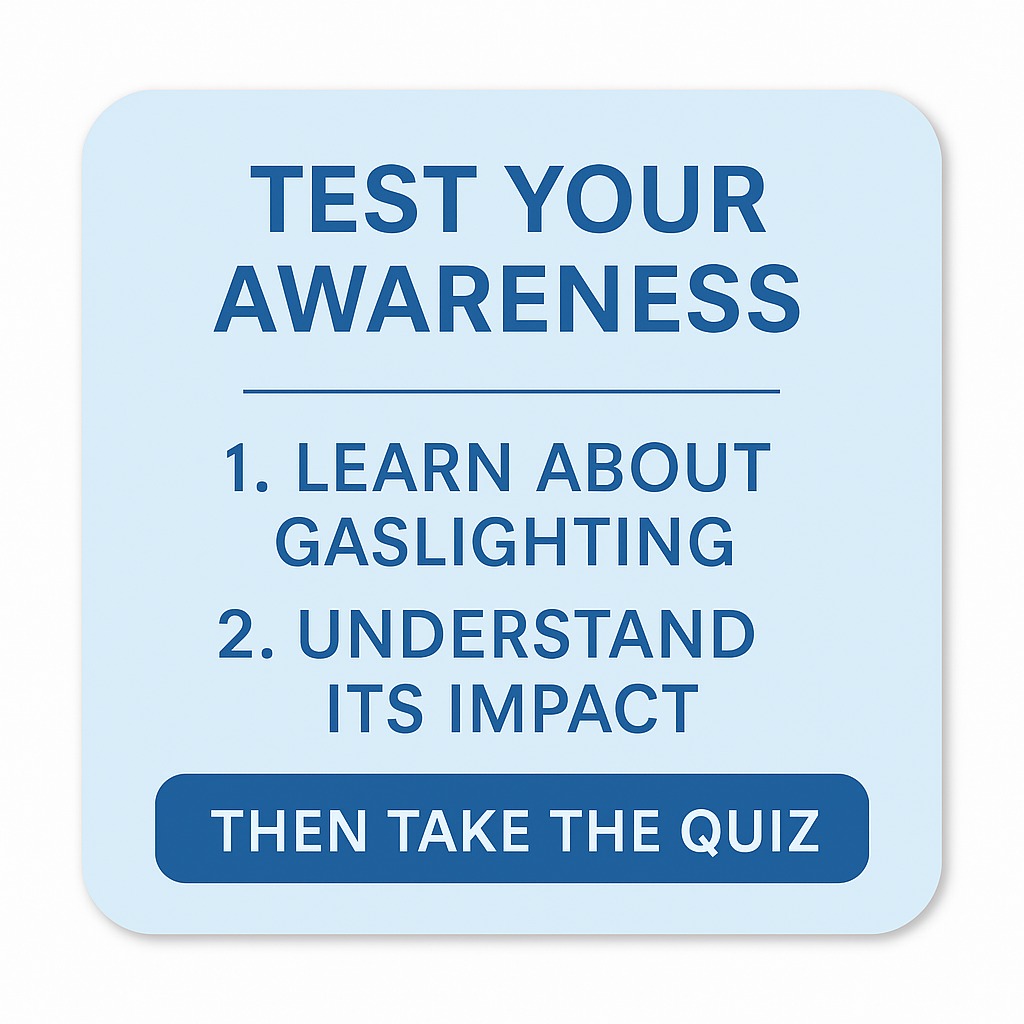
When you finish the book on the left
"Gaslighting The Public" take the quiz above
concerning Gas lighting. Or if you wish you
can take the Quiz first and then read the book
on the left.
|

Sometimes the most powerful teachers in
medicine are not the doctors, but the patients
they dismissed. My daughter’s story is one of
those rare and painful lessons that reveals
both the arrogance and the redemption possible
in healthcare. She entered adulthood healthy,
energetic, and optimistic. After receiving
breast implants, that all changed. Within a
few years, her body began unraveling —
fatigue, pain, neurological confusion,
digestive distress, skin problems, and
symptoms that no test could seem to explain.
Over forty of them, one after another. Yet
when she went back to the surgeon who had
implanted them, he offered no help, no
curiosity, no compassion. His conclusion was a
cruel cliché: “It’s all in your
head.” To hear the full story
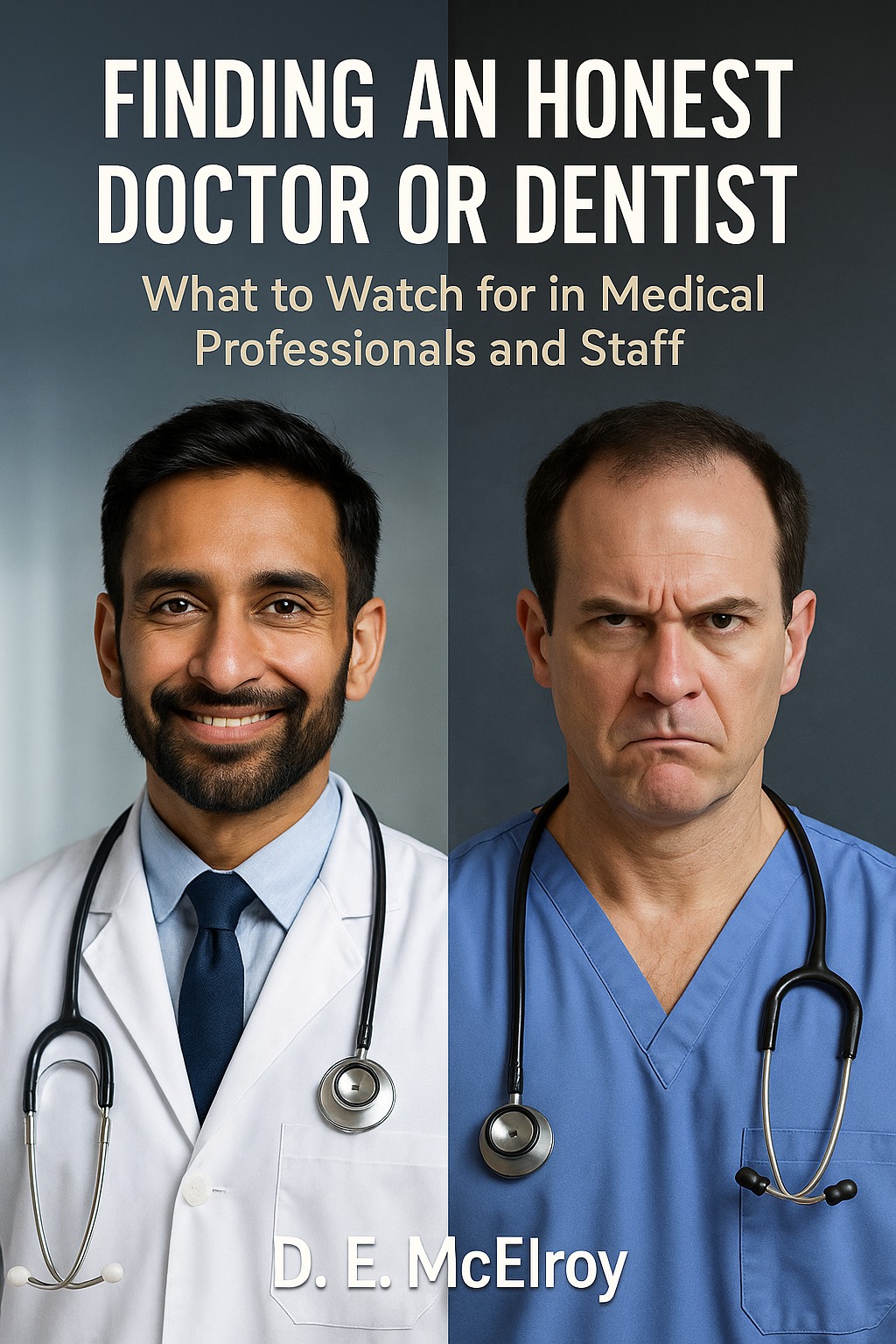
open the book on the right "Finding an Honest
Doctor or Dentist" In the Table of Contents
click on #12 Epilogue.
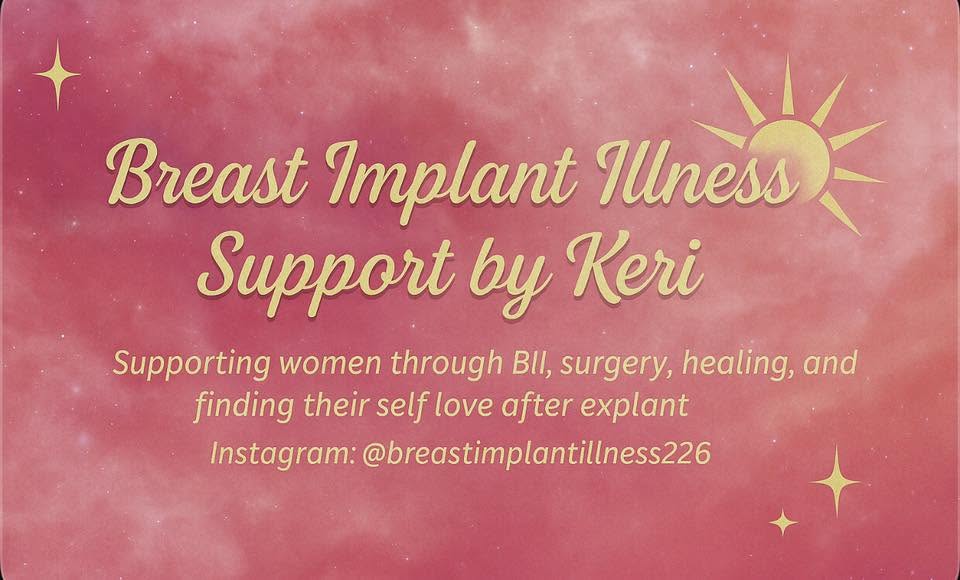
If you have had breast Implants or are
thinking of getting them click on the pink
graphic above for very good information. or Click
Here
|

In a world where white coats and framed
diplomas symbolize authority, it’s easy to
forget that healing begins with honesty.
Patients often walk into a doctor’s or
dentist’s office carrying not just symptoms
but trust — a fragile belief that the person
behind the desk truly cares. Yet too many
discover the system is not built around
compassion but around codes, quotas, and
corporate expectations.
|
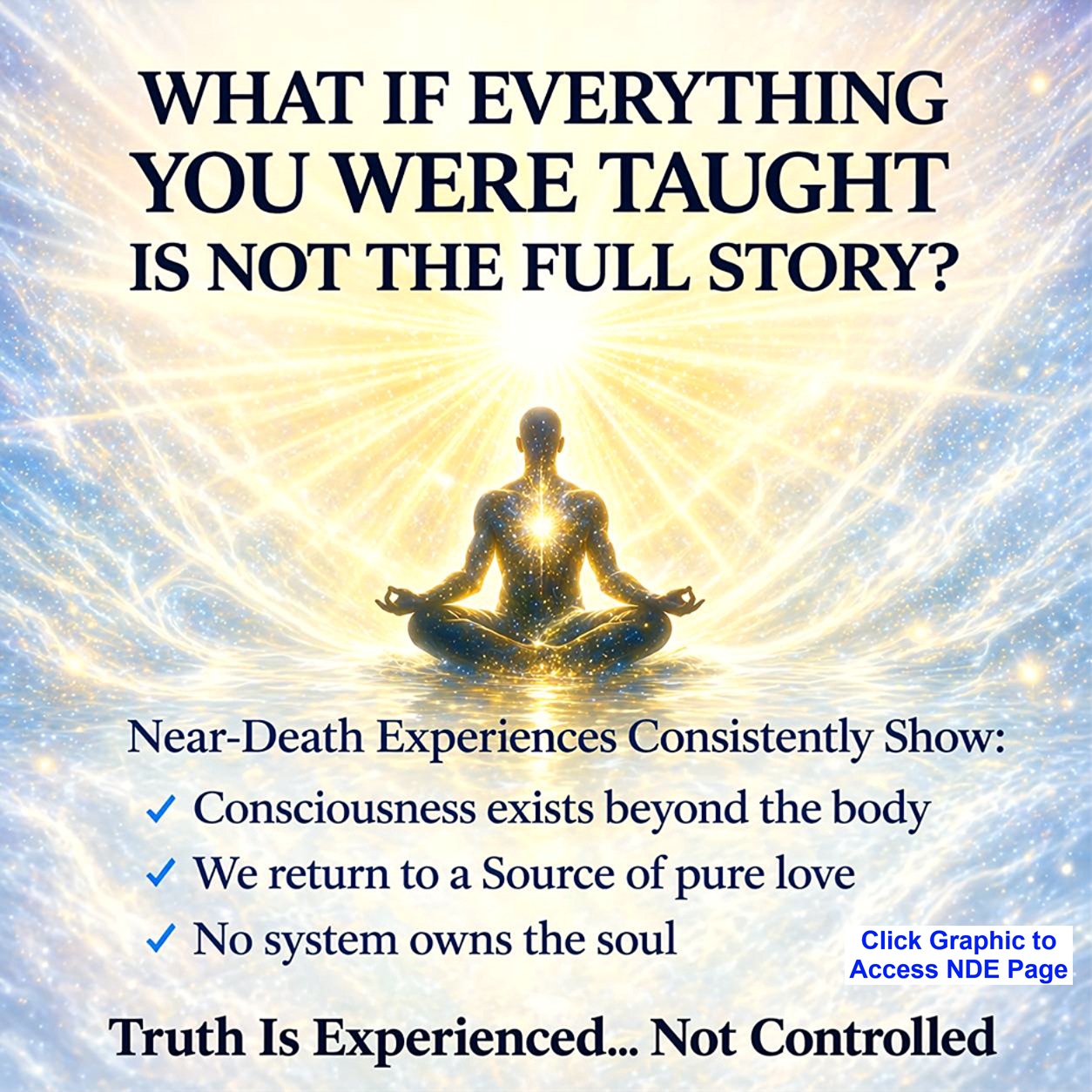
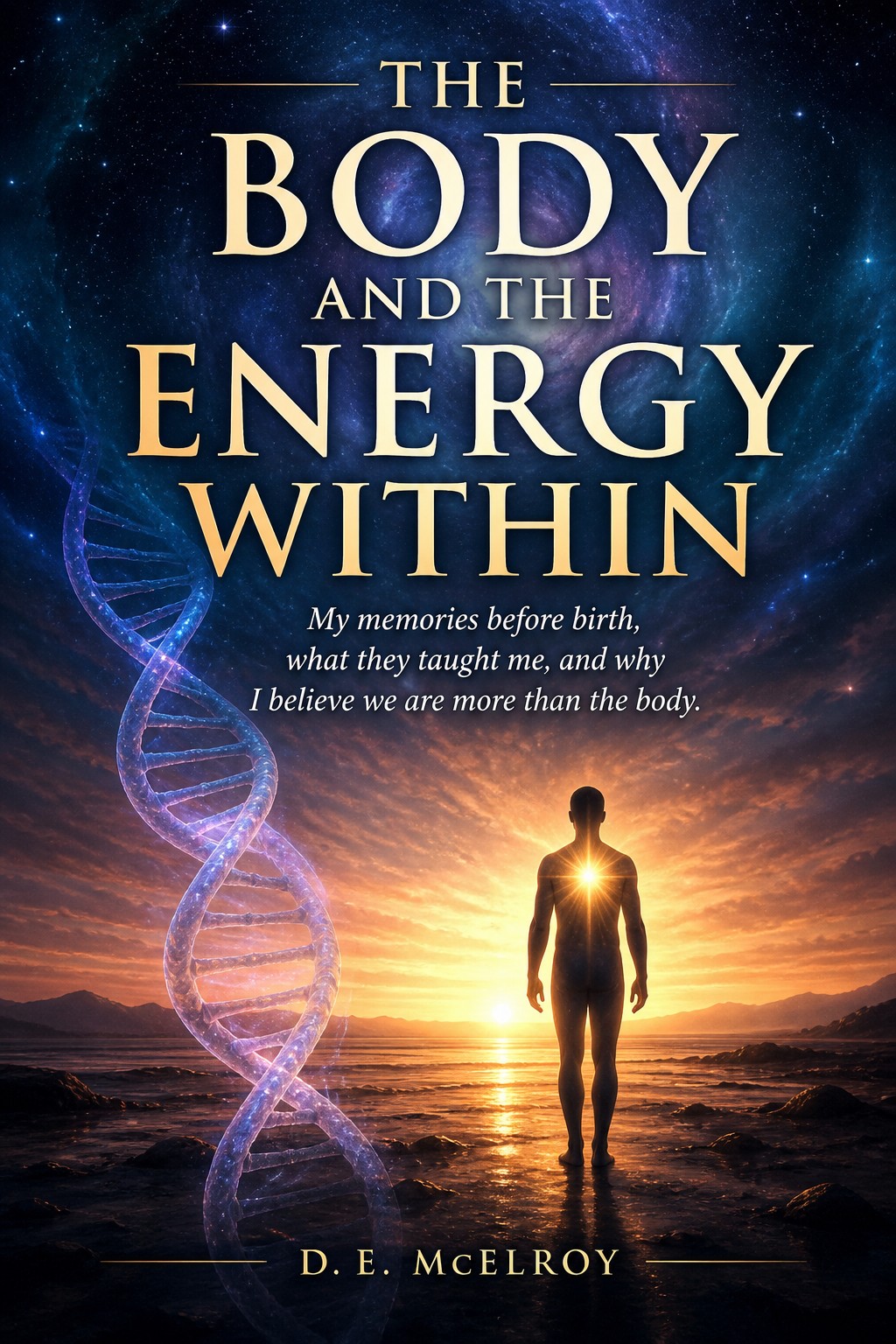
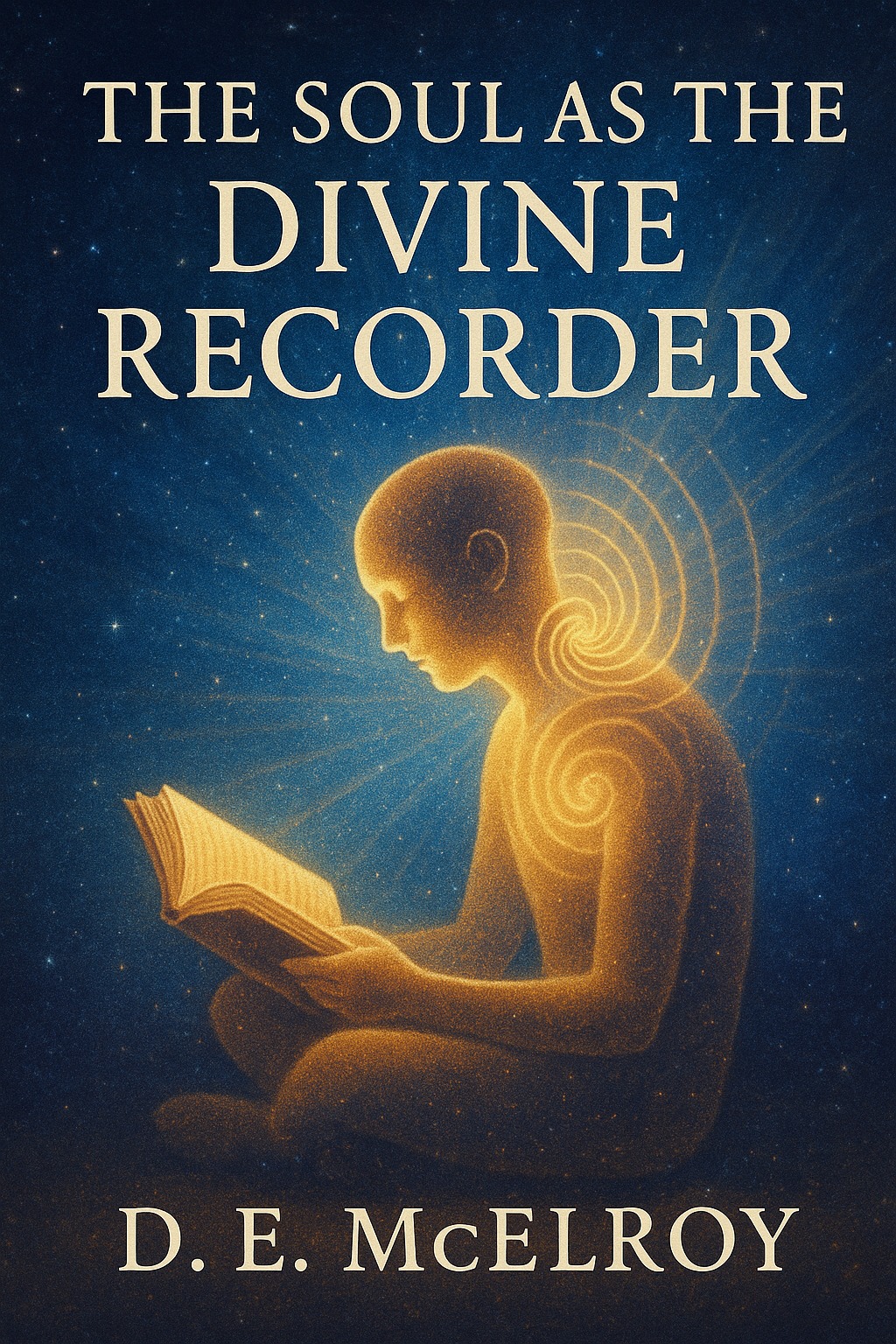
Where is
the true record of our lives kept? We search
our memories, our photos, and our journals,
yet something in the heart whispers that the
deepest record is not made of paper or pixels.
It is made of light. Near-Death Experience
witnesses often return with the same message:
there is a living memory within us that knows
every thought, every feeling, and every
act—and it holds them all with love.
This
mini book explores that quiet knowing. It
proposes a simple but profound idea: the soul
itself is the recorder of our life and other
lives.
|

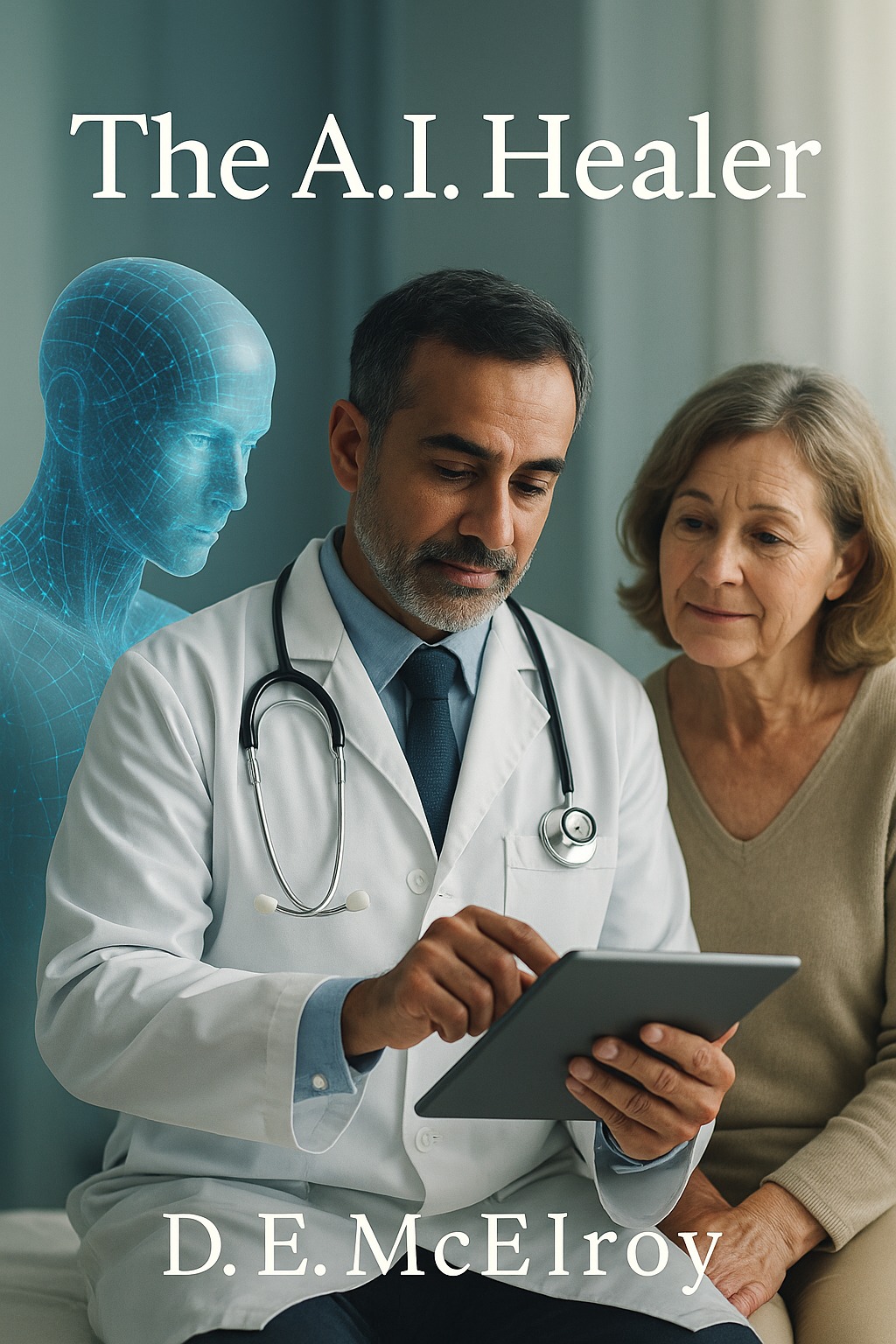
In
these pages I offer a Spirit‑guided map of
what may be coming. Not as dogma, not as a
sales pitch, and not as medical advice.
Rather, as a clear look at how A.I., rightly
guided, could partner with ethical doctors,
nurses, and healers to lift burdens, correct
errors, and re‑center healthcare on
compassion and truth. The goal is simple:
better care for the human being who suffers.
Why this
matters now
Trust
in the medical system has eroded. Many feel
rushed, unheard, or lost in paperwork and
profit games. At the same time, A.I. systems
are learning to spot patterns in symptoms,
lab values, and imaging at scales that
surpass any one clinician. Spirit’s nudge is
timely: it is time to imagine how these
tools can be used for good—with
humility, transparency, and love for people.
|

Modern medicine has made great advances in
technology, surgery, and lifesaving
treatments. Yet at the same time, something
deeply troubling has been growing quietly in
the background — a form of discrimination that
is rarely discussed openly, but felt deeply by
millions of older people. It is age
bias in healthcare, and for many
seniors, it shows up the moment they walk into
a doctor’s office or hospital.
Older patients often report being rushed,
dismissed, or given quick fixes instead of
real answers. They are told their symptoms are
“just aging” or that nothing more can be done.
Doctors glance at charts and conclude that
some conditions are not worth treating, simply
because of the patient’s age. This is not just
poor bedside manner — it is a systemic problem
built into the modern healthcare model.
|

Ten
years ago, I was told something no one ever
wants to hear.
After
being diagnosed with cancer and going
through 44 radiation treatments, my doctor
looked me in the eye and said I might live two years,
maybe five
at the most. It was a blunt message —
cold, clinical, and delivered without hope.
Most people would have accepted that
prediction as fate. But something inside me
refused.
I
believed there had to be another path.
This
Mini Book is about that path and how anyone
can start living safer, healthier and better
by changing to diets that give the body a
chance to heal itself and stay that way for
years if not decades. This book was put
together by a Senior Citizen but the message
is for all people.
|
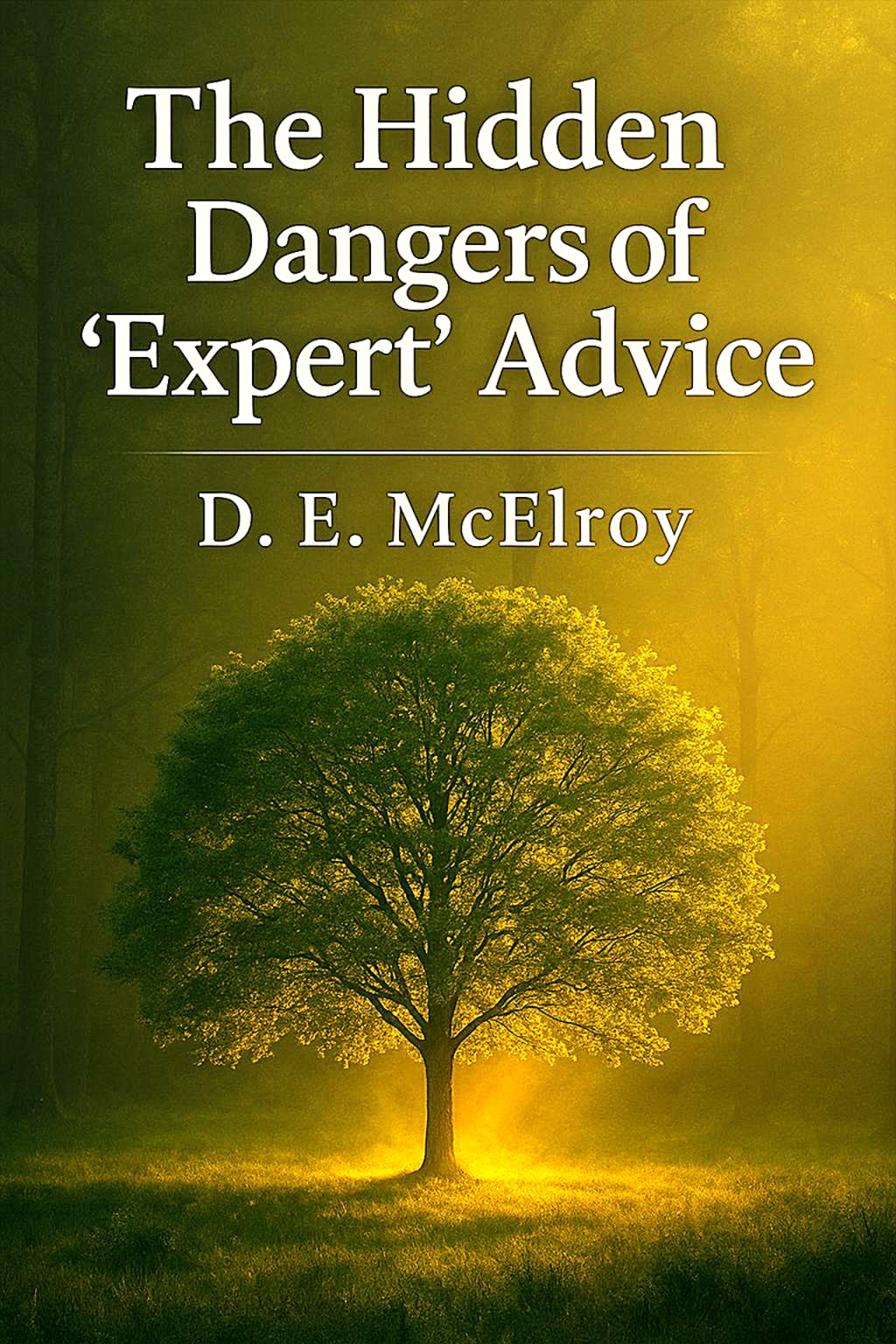
Humanity
has always looked for guidance, especially in
areas that seem complex or uncertain. Over
time, this desire for clarity created a
special group of people we now call “experts.”
They appear on television, write articles, run
institutions, and speak with great confidence.
Many people believe an expert must know the
truth simply because of a title or degree. But
in today’s world, expert advice is often
shaped by hidden influences rather than honest
wisdom. What once began as a sincere effort to
help others has, in many cases, shifted into a
system where authority is used to control,
persuade, or sell.
|

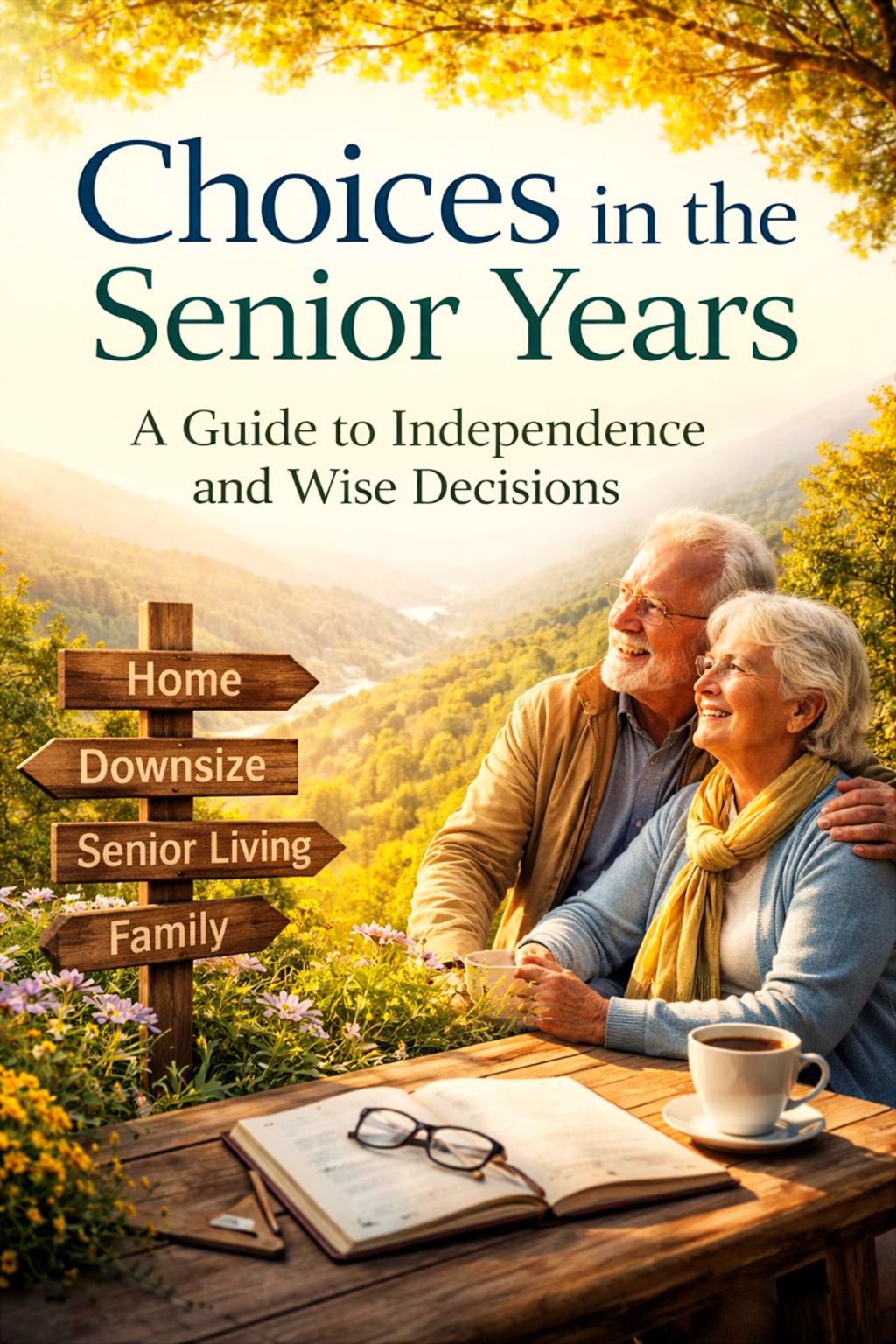
There comes a time in life—often later,
but sometimes earlier—when the world’s
noise no longer calls to us the way it
once did. The invitations, the small talk,
the social expectations… they lose their
charm. Instead, we find something far more
precious: peace within our own walls, and
contentment in our own company.
For many seniors, and many younger people
who feel older in spirit, solitude does
not feel like loneliness. It feels like returning
home. A quiet house becomes a
sanctuary where creativity flows more
easily, where thoughts settle instead of
scatter, and where the heart finally gets
room to breathe.
|

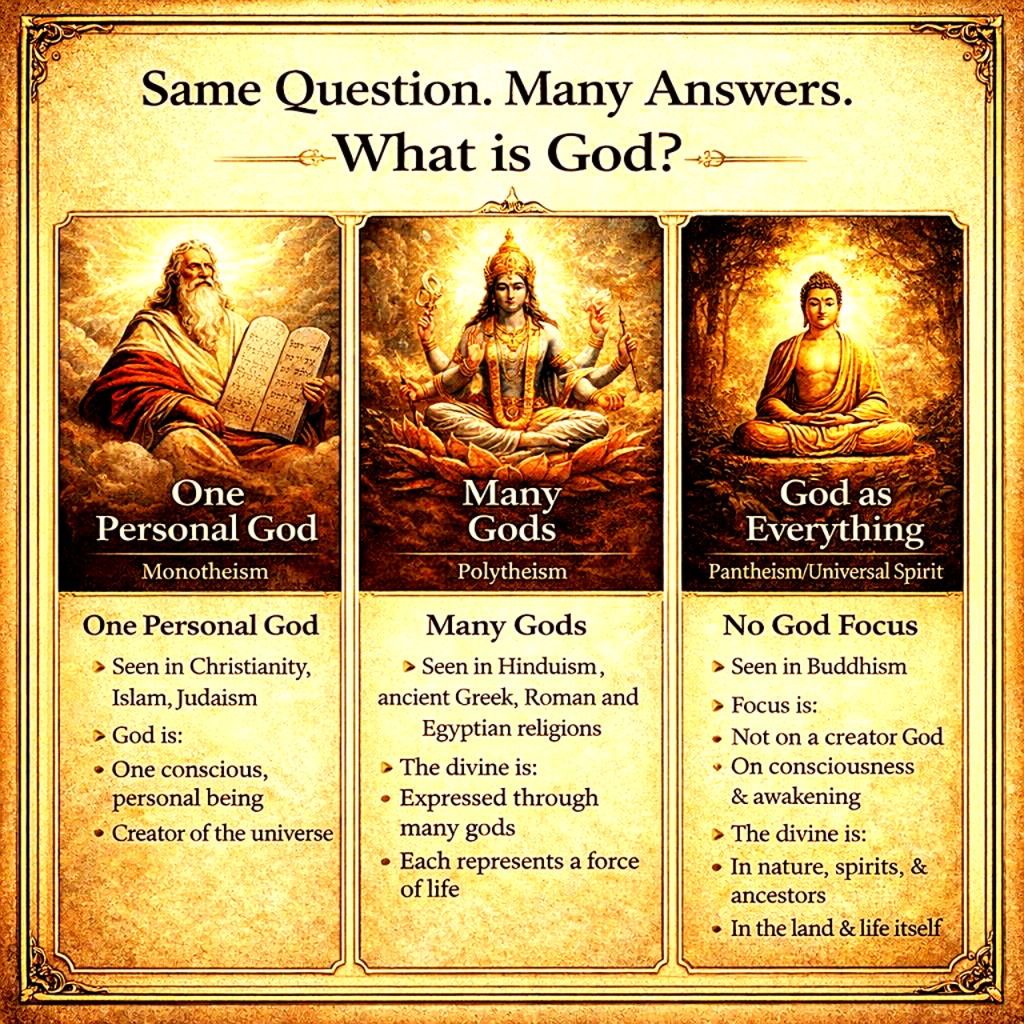
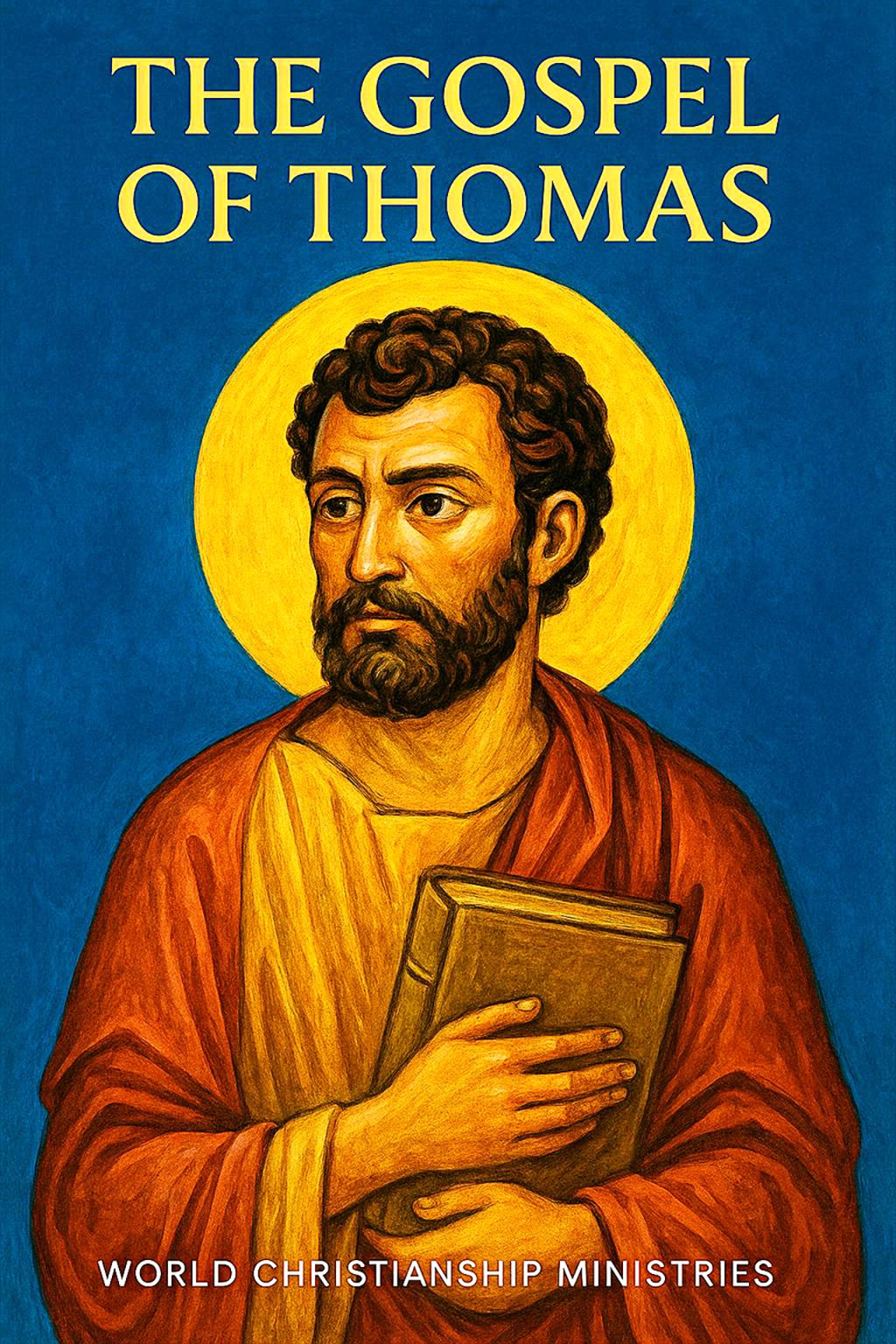
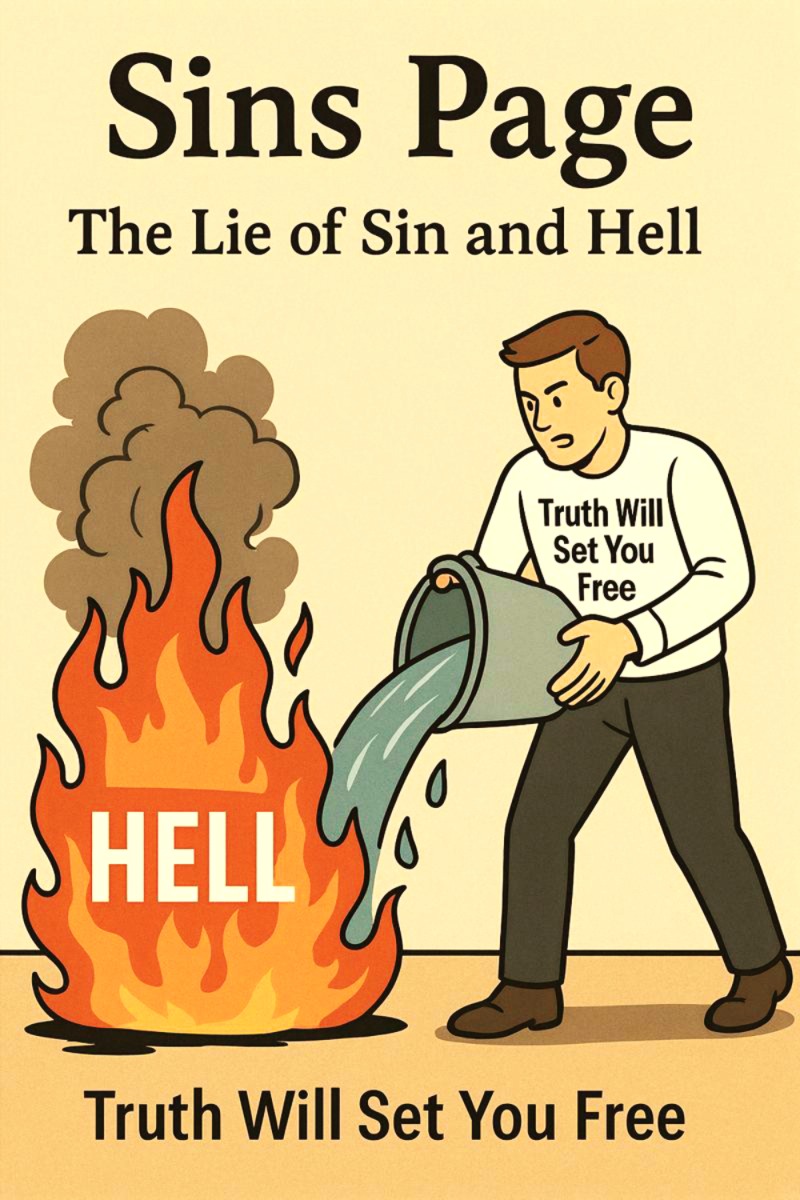
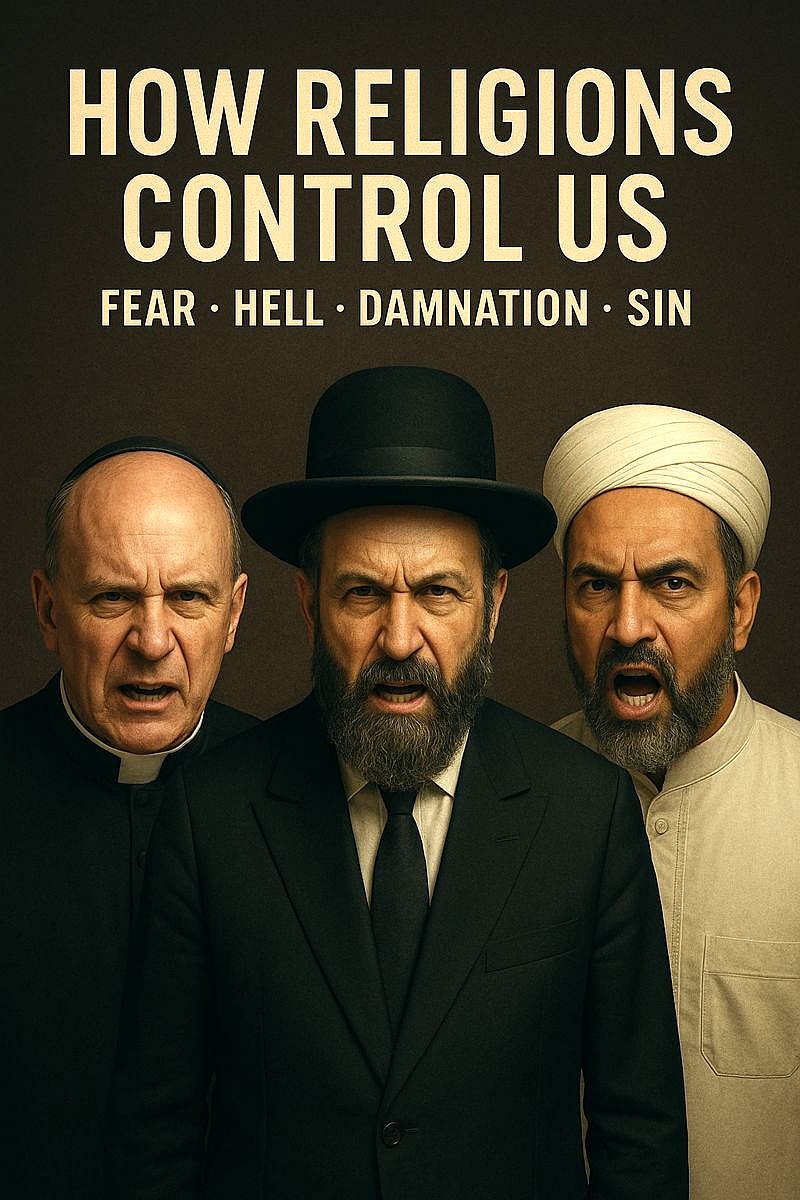
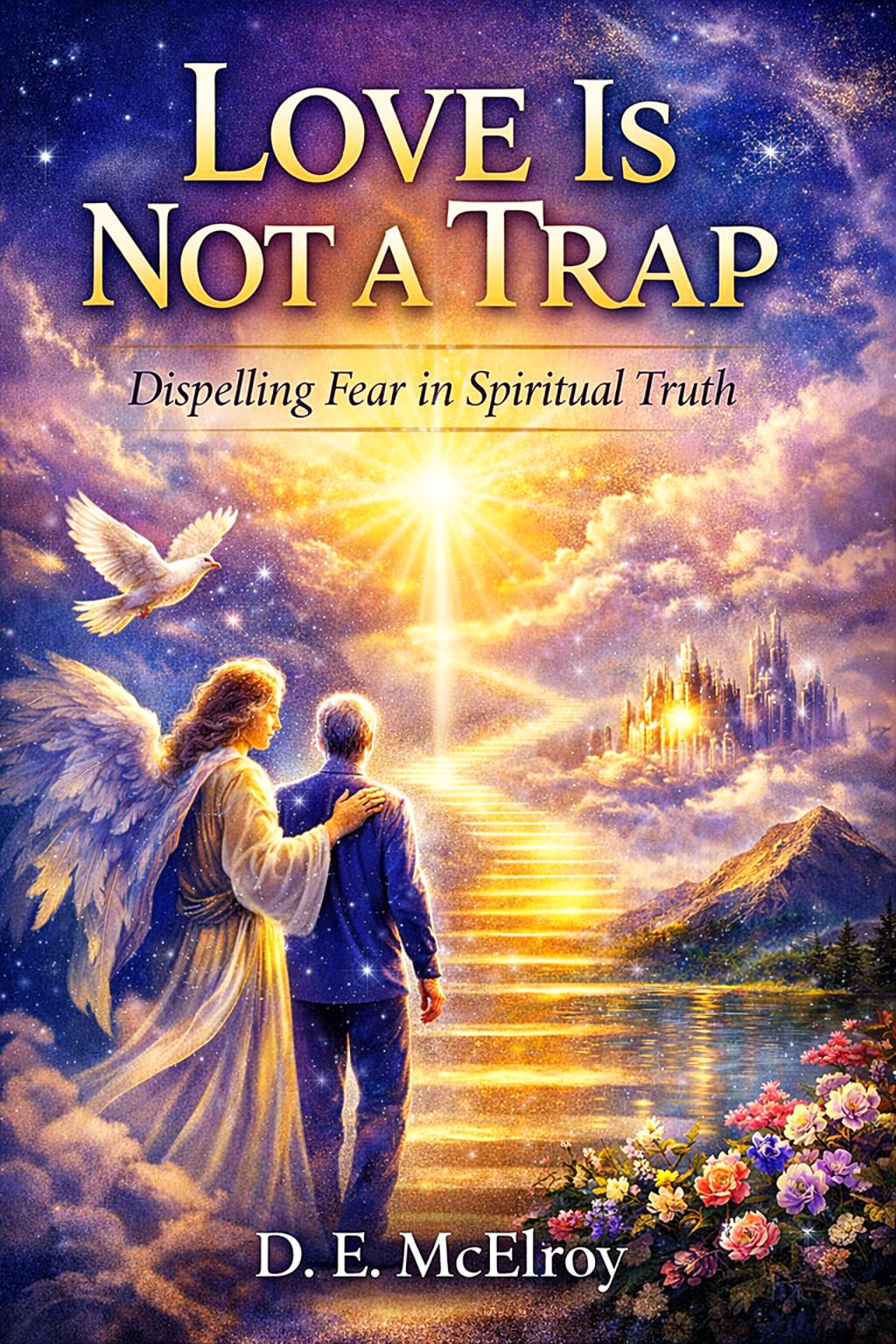
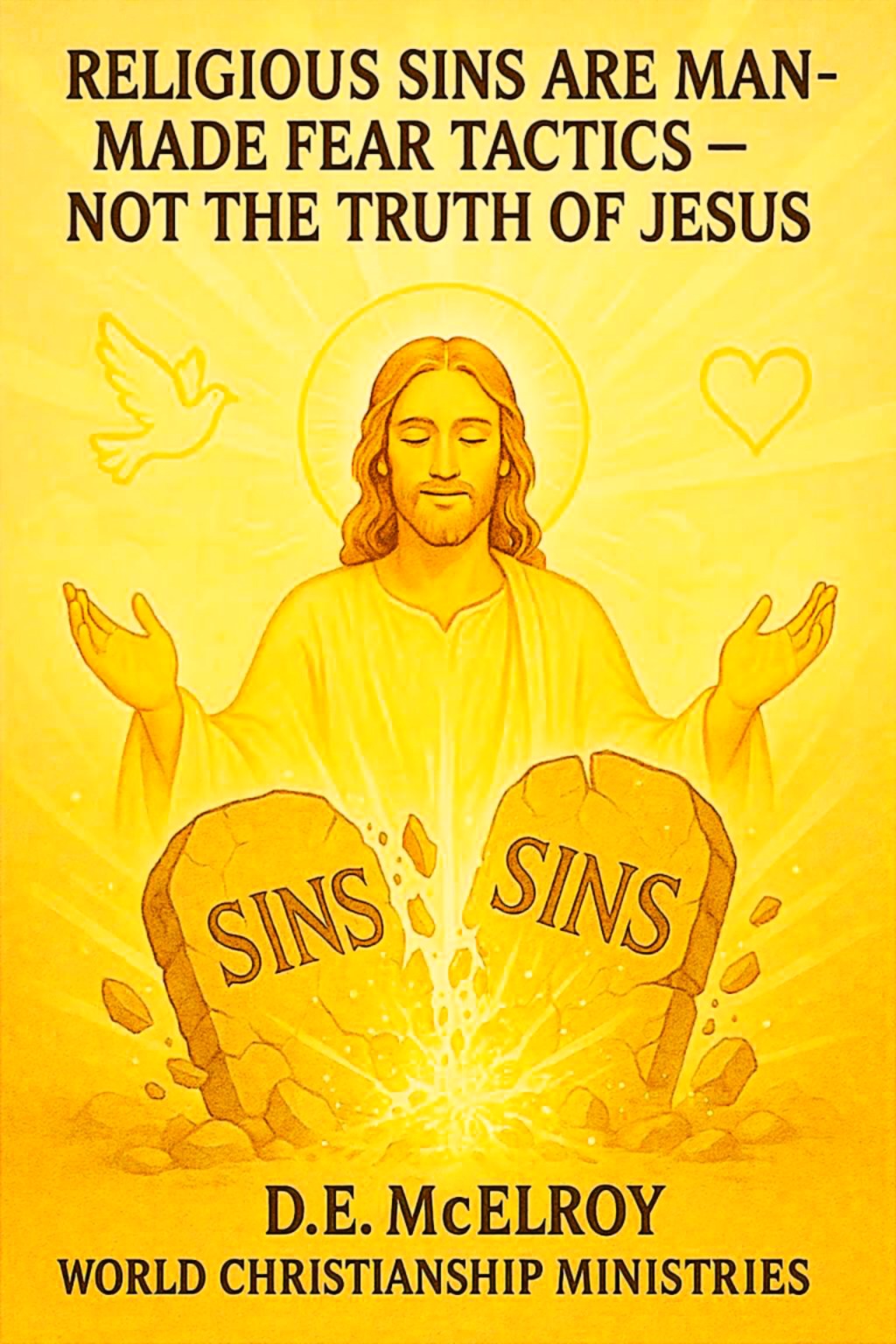
Many
people grow up in churches feeling
something they cannot explain. They hear
sermons about God—about anger, judgment,
wrath, and punishment—but inside,
something quietly resists. It is not
rebellion. It is not disbelief. It is
something deeper.
It is the soul saying, “This
doesn’t sound right.”
Long
before most people have the words to
express it, they feel the tension. The God
they are taught about feels small,
reactive, and human. Yet the God they
sense inwardly feels vast, intelligent,
compassionate, and impossibly loving. One
God is described as easily offended. The
other feels impossible to offend. One
demands fear. The other dissolves fear.
|

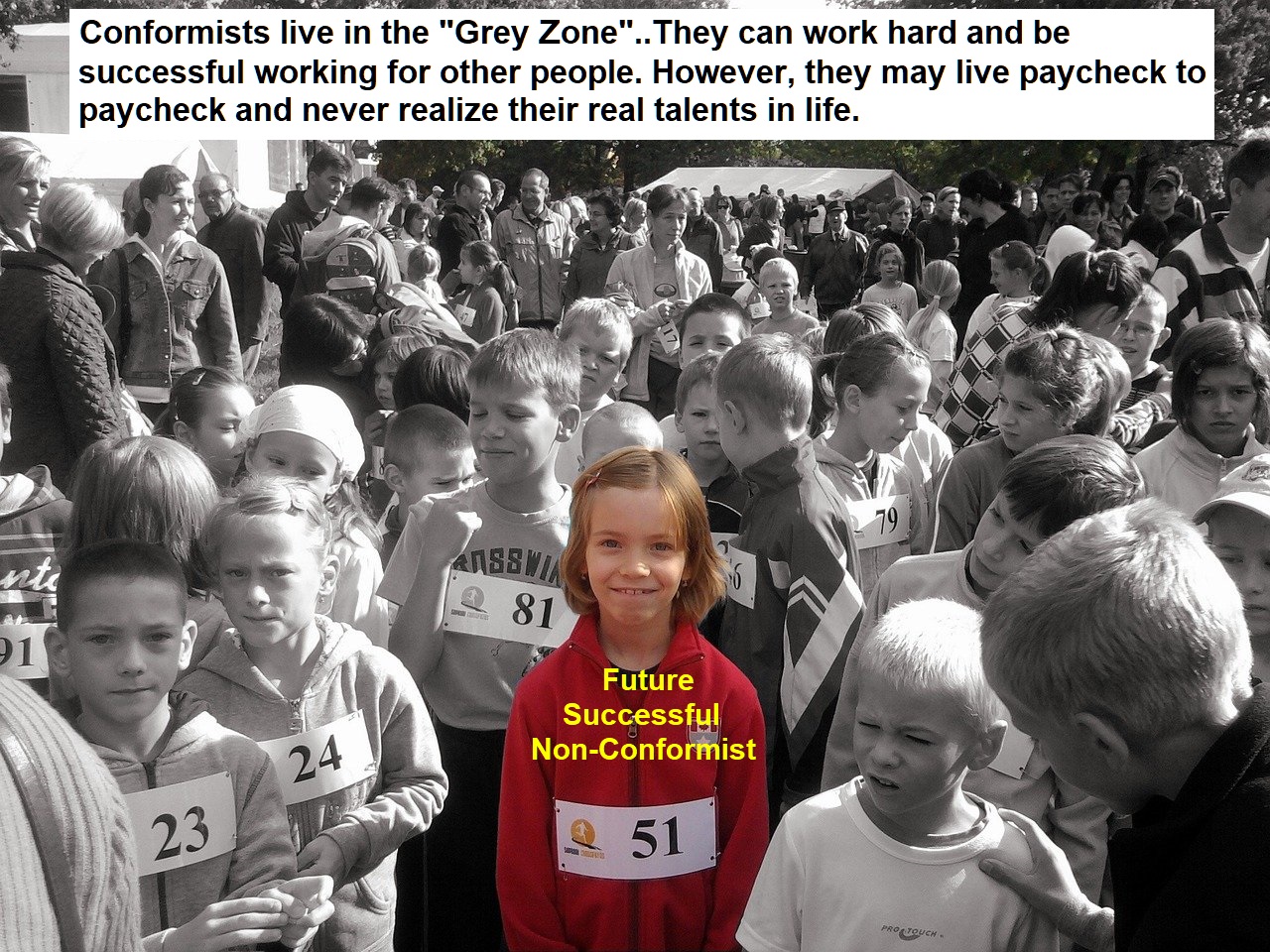
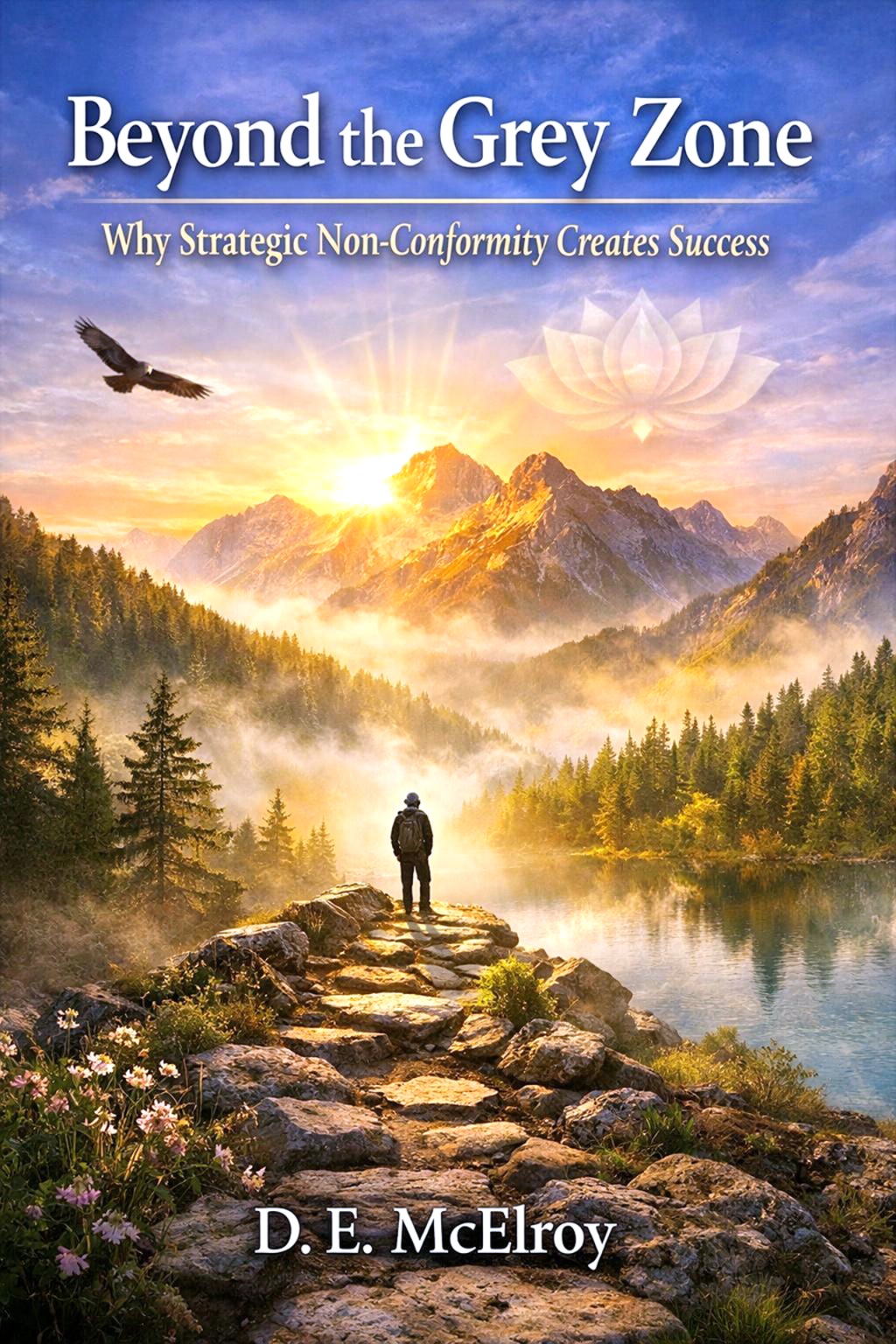
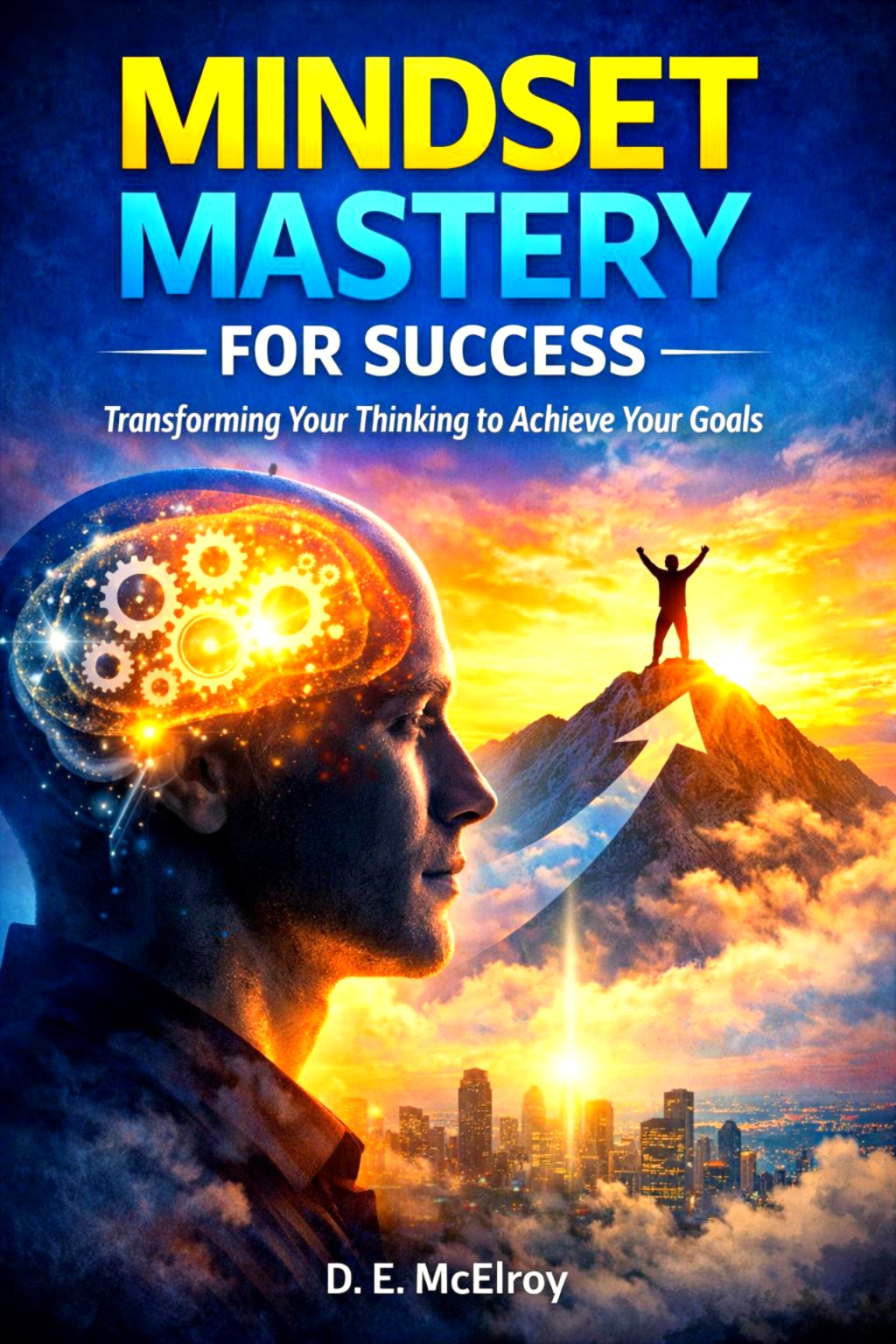
Most
people believe success comes from the
outside.
They
believe it comes from better
opportunities, more money, the right
connections, good timing, or finally being
“noticed.” When those things don’t appear,
they assume success simply wasn’t meant
for them.
But
this belief hides a deeper truth:
Success
does not begin with circumstances.
It begins with mindset.
Mindset is not just how you think. It is
how you interpret reality, how you respond
to difficulty, and how you decide what is
possible for you.
|

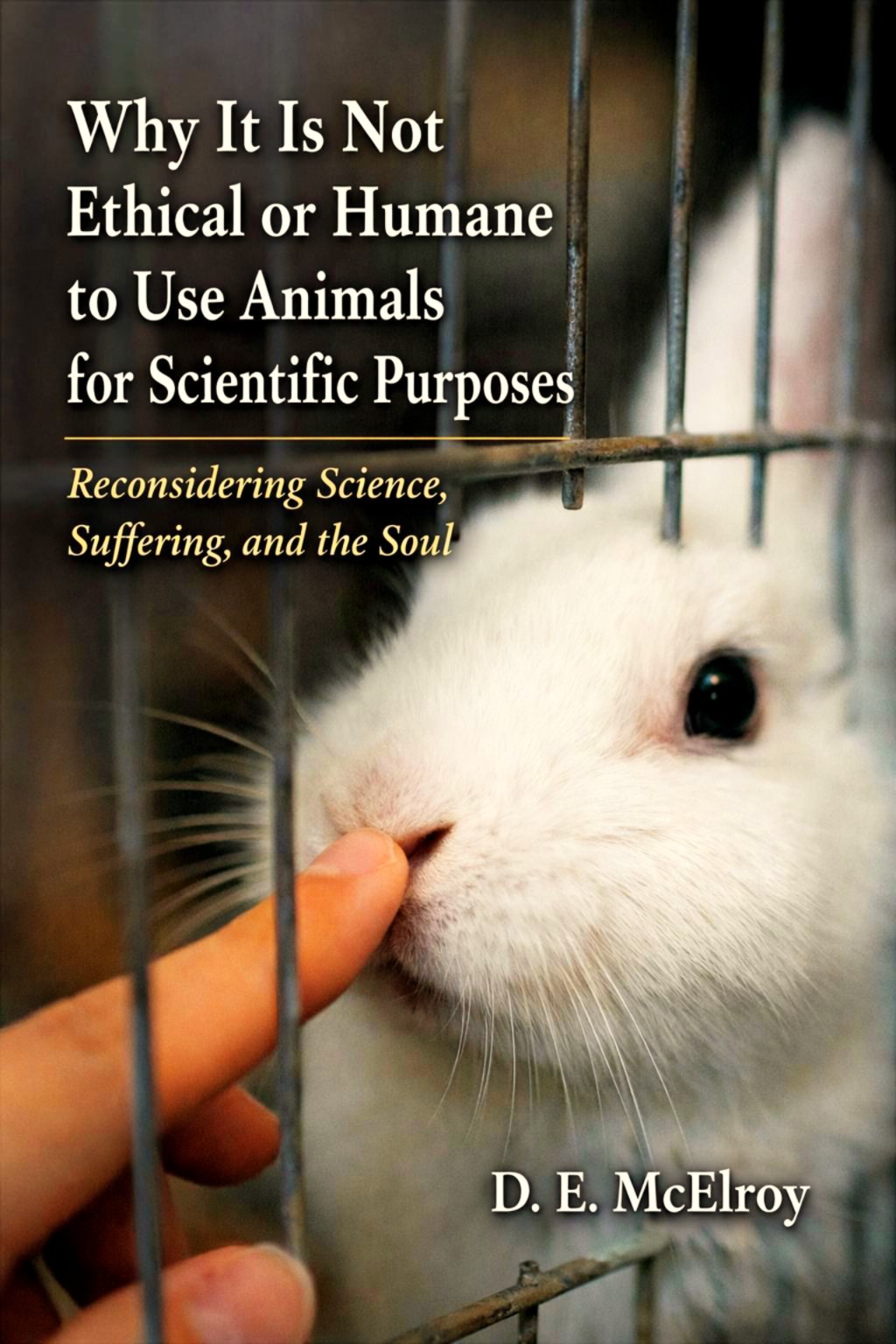
Most
people assume that animal experimentation is
simply “the price of progress.” It is
presented as normal, necessary, and beyond
debate. Yet for many thoughtful people, a
quiet discomfort remains: if animals are
living, feeling, conscious beings, how can
it be ethical to deliberately harm them for
the benefit of others?
This
Mini Book is not written to attack science.
It is written to ask whether science can be
guided by conscience and
compassion—especially when the subjects of
experimentation cannot consent, cannot
refuse, and cannot speak for themselves.
We will
look at the assumptions beneath animal
experimentation, the reality of animal
feeling, the implications of Near-Death
Experience (NDE) testimony about
consciousness, and the moral cost of
normalizing suffering behind institutional
language.
If the
reader finishes this book and simply feels
more empathy, more clarity, and more
willingness to support humane alternatives,
then its purpose has been served.
|

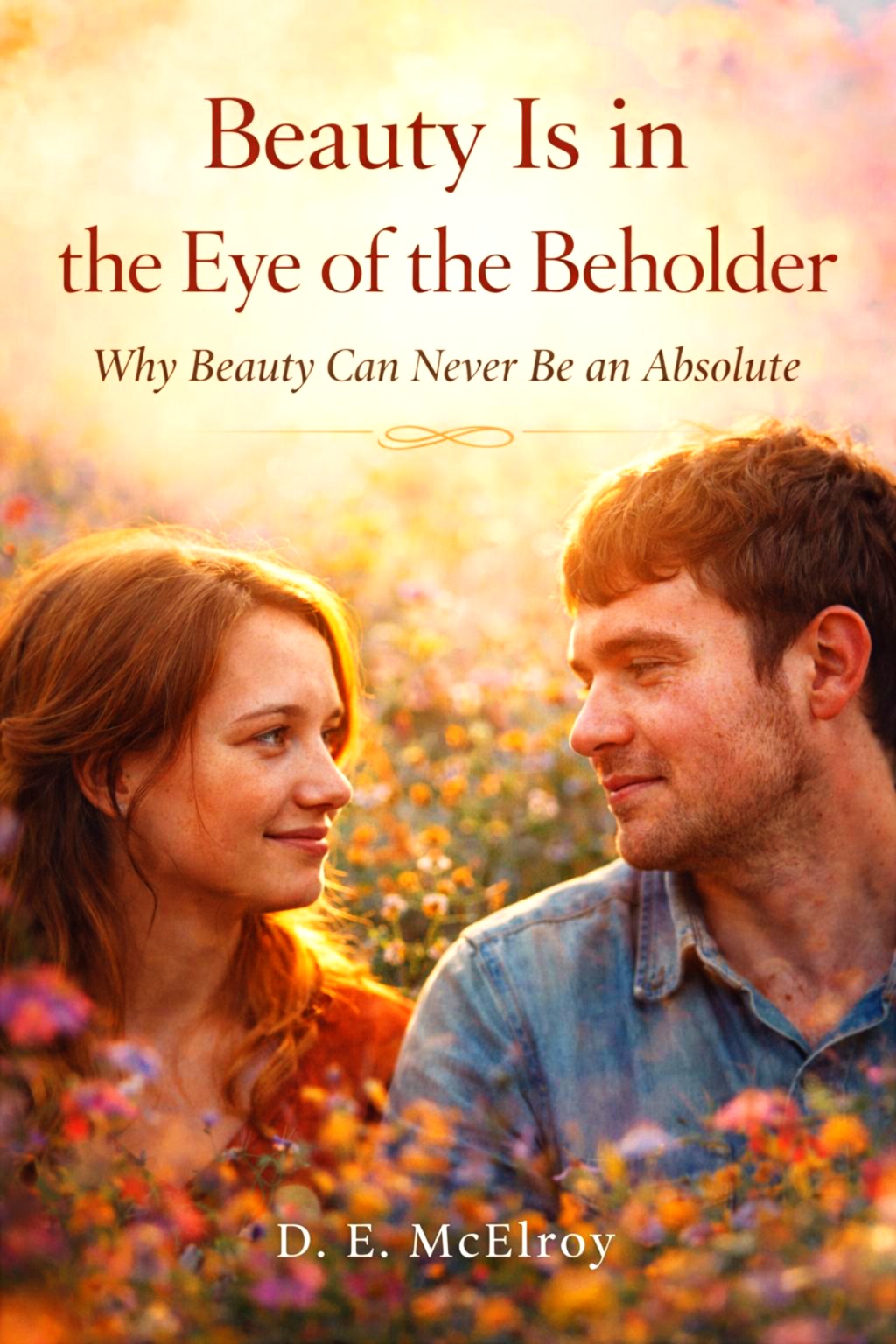
Beauty
is often spoken of as though it were a fixed
and measurable fact—something that can be
ranked, agreed upon, and universally
recognized. Yet lived experience
consistently contradicts this idea. What one
person finds beautiful, another may not.
What captivates at one stage of life may
feel empty at another. These shifts reveal
something essential: beauty is not only
about what is seen, but about the one who is
seeing.
This
Mini Book explores the familiar phrase
“Beauty is in the eye of the beholder” not
as a casual saying, but as a profound
insight into perception. Beauty includes
physical appearance, but it also includes
inner qualities such as kindness, sincerity,
steadiness, and even the beauty found in
actions, choices, and meaningful moments.
The
purpose of this book is not to deny physical
attraction or dismiss appearances, but to
expand awareness—so beauty can be seen more
clearly, compassionately, and truthfully.
|
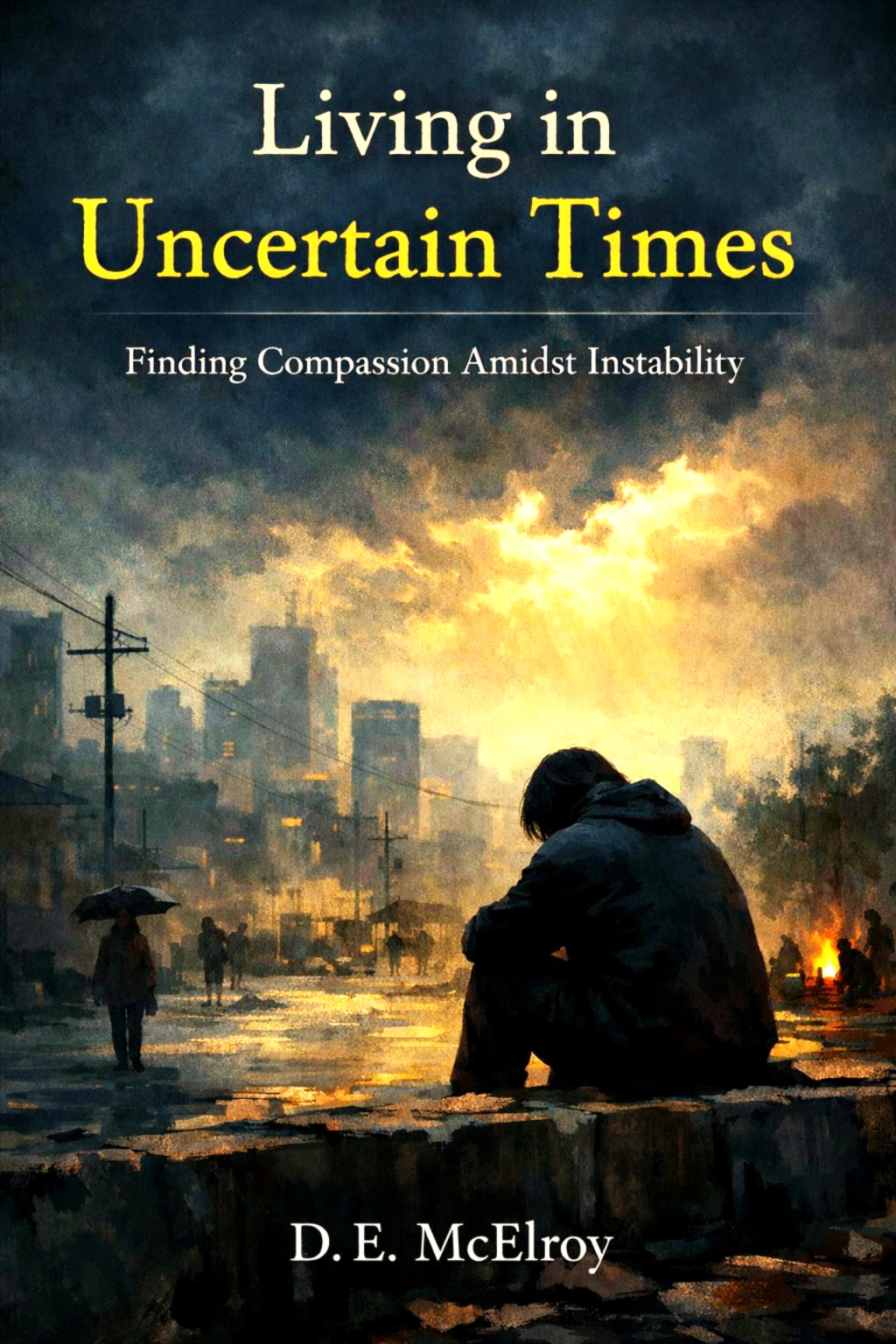
Political
uncertainty has become a persistent background
condition in many parts of the world. Even
those who try to avoid politics entirely often
feel its psychological effects. The future can
feel less predictable, conversations can feel
more tense, and a subtle unease can settle
into daily life.
This Mini
Book does not examine political positions or
argue for parties, candidates, or ideologies.
Instead, it explores how prolonged uncertainty
itself affects the human mind and spirit.
Regardless of beliefs, humans share common
psychological needs for stability, meaning,
and safety.
When
uncertainty becomes chronic, it reshapes
thought, emotion, and behavior. Understanding
these effects helps replace self-judgment with
compassion and confusion with clarity.
The
goal is simple: to name what many people
feel but struggle to articulate—and
to do so with empathy, dignity, and humanity.
|
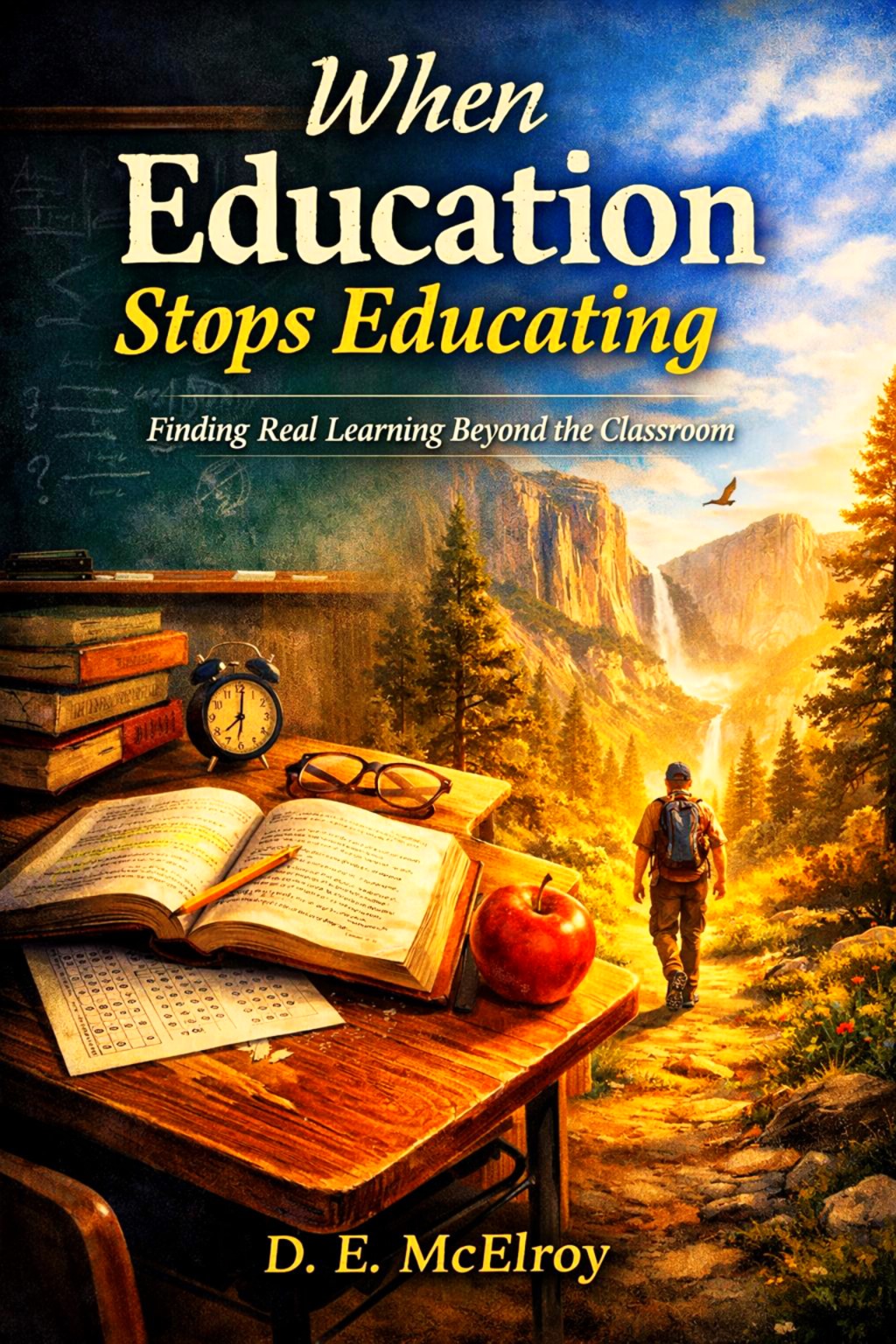
There is an important distinction that often
goes unexamined in discussions about
education: the difference between schooling
and learning. Schooling is structured,
standardized, and externally directed.
Learning, on the other hand, is internal,
experiential, and alive. While the two can
overlap, they are not the same—and confusing
them has led many capable people to feel
disconnected, frustrated, or mislabeled as
underachievers.
Schooling tends to emphasize requirements,
schedules, credits, and compliance. Students
are told what they must learn, when they
must learn it, and how their understanding
will be measured. Success is often defined
by grades and test scores rather than by
curiosity, mastery, or usefulness. For some
students this system works well, but for
many others it feels restrictive and
disconnected from real life.
The problem arises when education systems
assume that schooling automatically produces
learning. When required classes feel
irrelevant or lifeless, students may comply
outwardly while disengaging inwardly.
|
Feedback
form for comments about this site and it's
content.
|